Low Sperm Count Treatment in Pune
Low Sperm Count Treatment in Pune
Are you trying to conceive but facing difficulty? A low sperm count may be one of the factors affecting your fertility.
The good news is that a low sperm count does not always mean you cannot become a father. The right evaluation can help identify possible causes and suitable treatment options.
At Neo-woman, Pune, you can discuss male fertility concerns, understand the investigations that may be needed, and explore treatment options based on your individual circumstances.
If you are searching for Low Sperm Count Treatment in Pune, early evaluation can help you and your partner make informed decisions about your fertility journey.
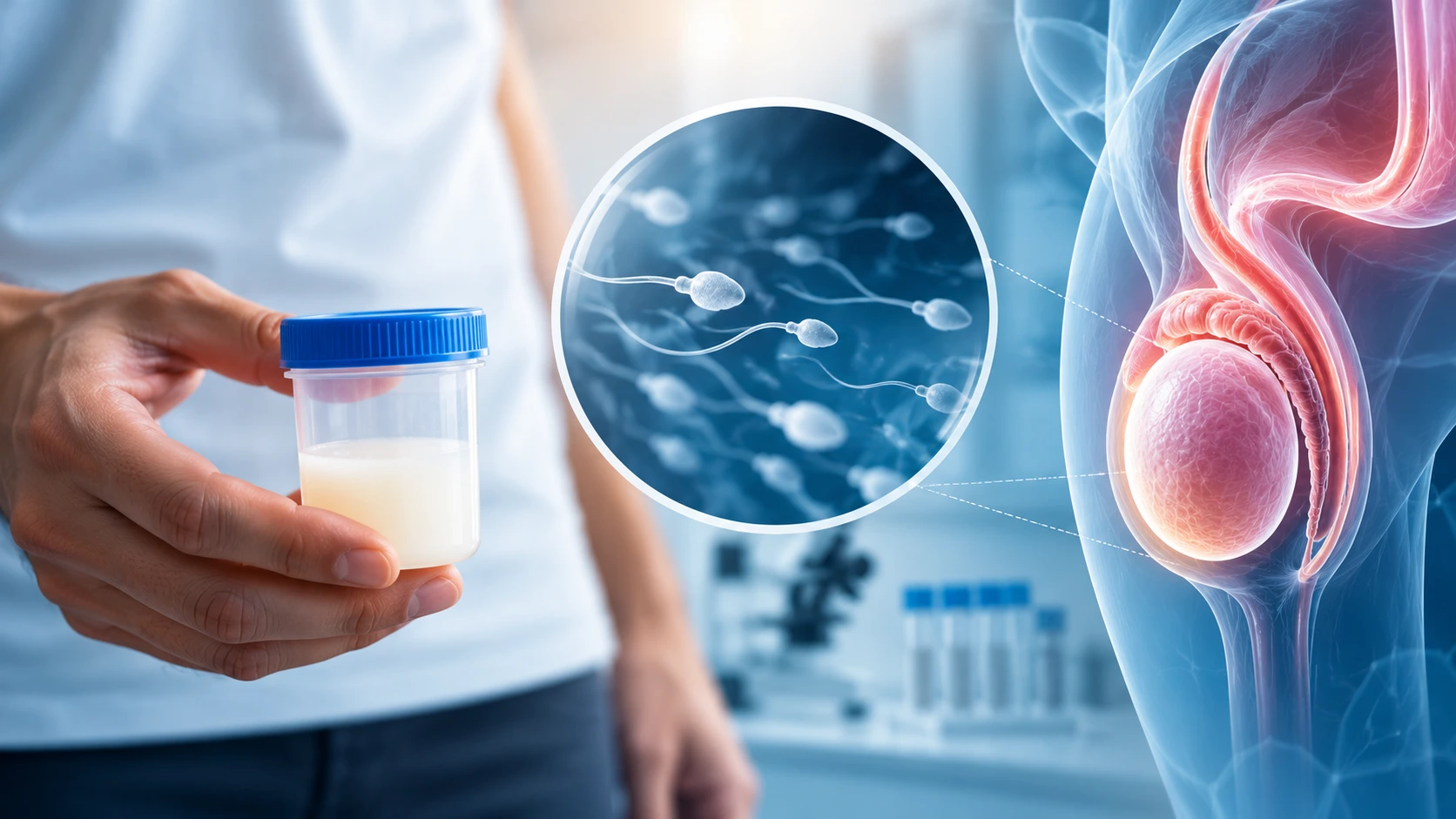
What Is Considered a Low Sperm Count
Sperm count is measured through a semen analysis.
The World Health Organization's reference data include a lower reference value of approximately 16 million sperm per millilitre of semen. However, this is not a strict dividing line between fertile and infertile men.
A result below the reference value does not automatically mean infertility. Similarly, a count within the reference range does not guarantee conception.
Your doctor will interpret the report alongside sperm motility, morphology, medical history, and your partner's fertility assessment.
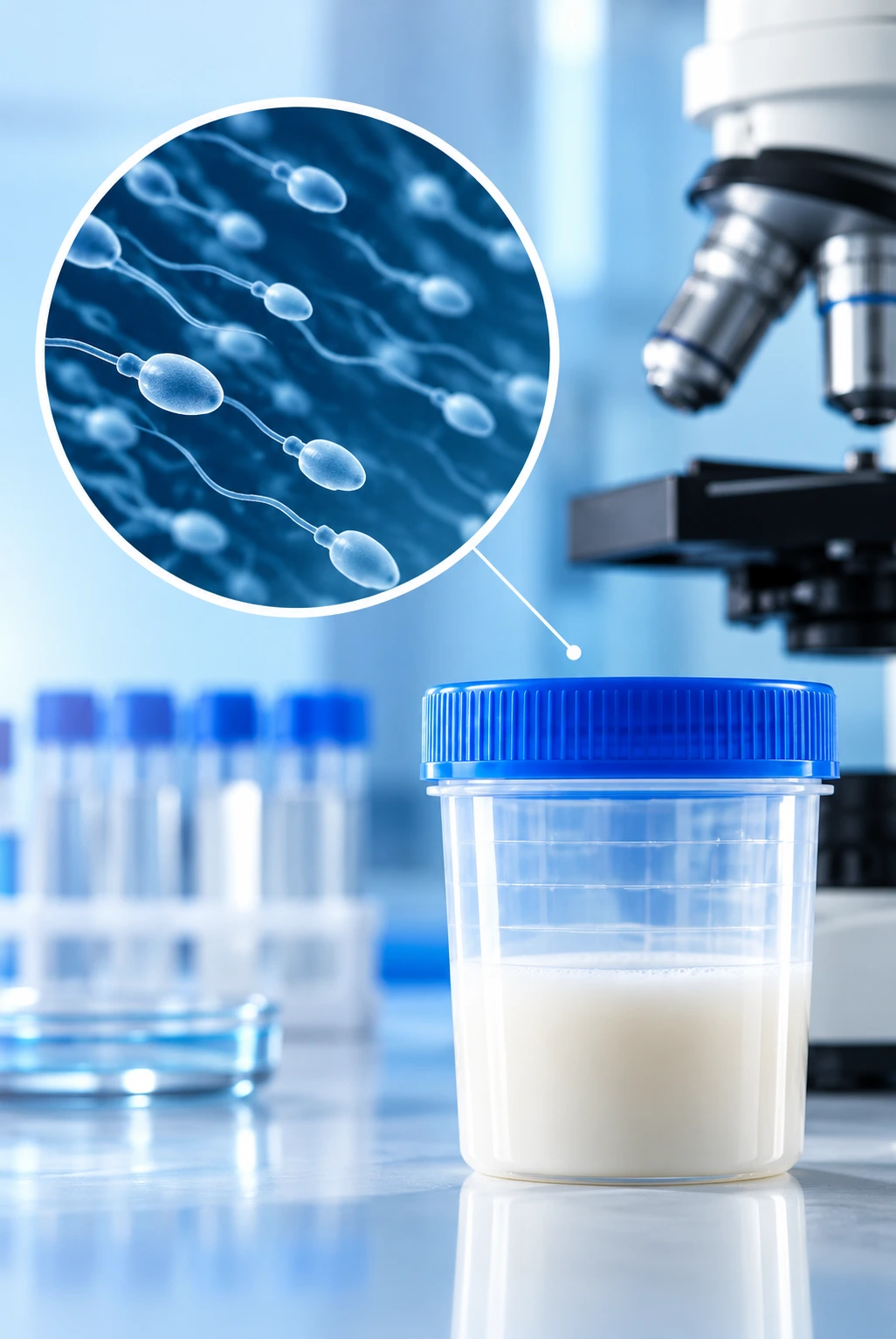
What Is a Low Sperm Count
Low sperm count, medically known as oligospermia, means that the semen contains fewer sperm than the laboratory’s reference range.
Sperm count is one part of male fertility. Sperm movement, shape, semen volume, and other reproductive factors can also influence the chances of conception.
A semen analysis helps assess these parameters. An abnormal result should be interpreted by a qualified clinician rather than used alone to determine whether a man can father a child.
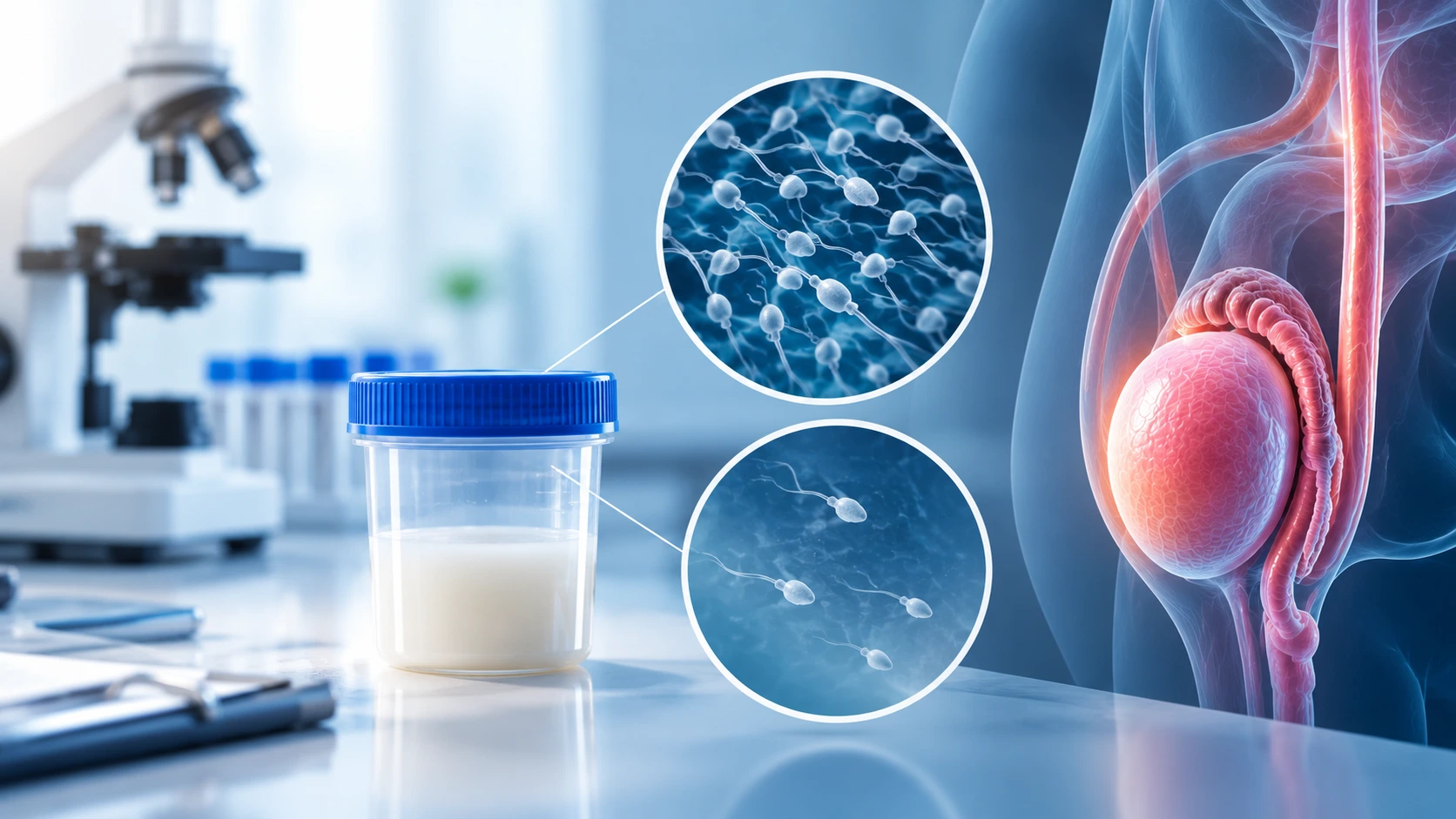
What Causes a Low Sperm Count
Low sperm count can occur for several reasons. In some men, more than one factor may contribute.
01
Hormonal Imbalances
Hormones help regulate sperm production. Problems involving testosterone, follicle-stimulating hormone (FSH), luteinising hormone (LH), or the pituitary gland may affect sperm production.
02
Varicocele
A varicocele is an enlargement of veins within the scrotum. In some men, it is associated with impaired sperm production or quality.
03
Infections and Inflammation
Certain infections or inflammation affecting the reproductive tract may interfere with sperm production or transport.
04
Blockages in the Reproductive Tract
A blockage in the reproductive tract can prevent sperm from entering the semen. Some men may have normal sperm production but an obstruction that affects sperm delivery.
05
Genetic or Inherited Conditions
Certain genetic conditions can affect testicular function, sperm production, or the reproductive ducts.
06
Previous Medical Treatment
Chemotherapy, radiation therapy, some medicines, and previous surgeries may affect male fertility.
07
Lifestyle and Environmental Factors
Smoking, tobacco use, anabolic steroid use, excess heat exposure, some recreational drugs, and certain workplace chemicals may affect sperm health.
08
Unexplained Causes
Sometimes, investigations do not identify a clear cause. Your doctor may recommend further evaluation or discuss appropriate fertility options.
Who May Be Affected by Low Sperm Count
Low sperm count can affect men of different ages. It may be identified during a fertility assessment even when there are no obvious symptoms.
You may need an evaluation if you:
Have been trying to conceive without success.
Have received an abnormal semen analysis report.
Have a history of undescended testicles or testicular injury.
Have undergone chemotherapy or radiation therapy.
Have a history of reproductive tract infection or surgery.
Have a known hormonal or genetic condition.
Have experienced a previous unsuccessful fertility treatment.
Male and female fertility factors can occur together.
Therefore, evaluating both partners at an appropriate time can help avoid unnecessary delays.
What Are the Symptoms of Low Sperm Count
Low sperm count usually does not cause noticeable symptoms. Many men discover it only when they undergo fertility testing. Possible clues to an underlying condition may include:
- Difficulty conceiving.
- Reduced sexual desire or symptoms associated with low testosterone.
- Erectile or ejaculation difficulties.
- Pain, swelling, or a lump in the testicle.
- Noticeable changes in testicular size.
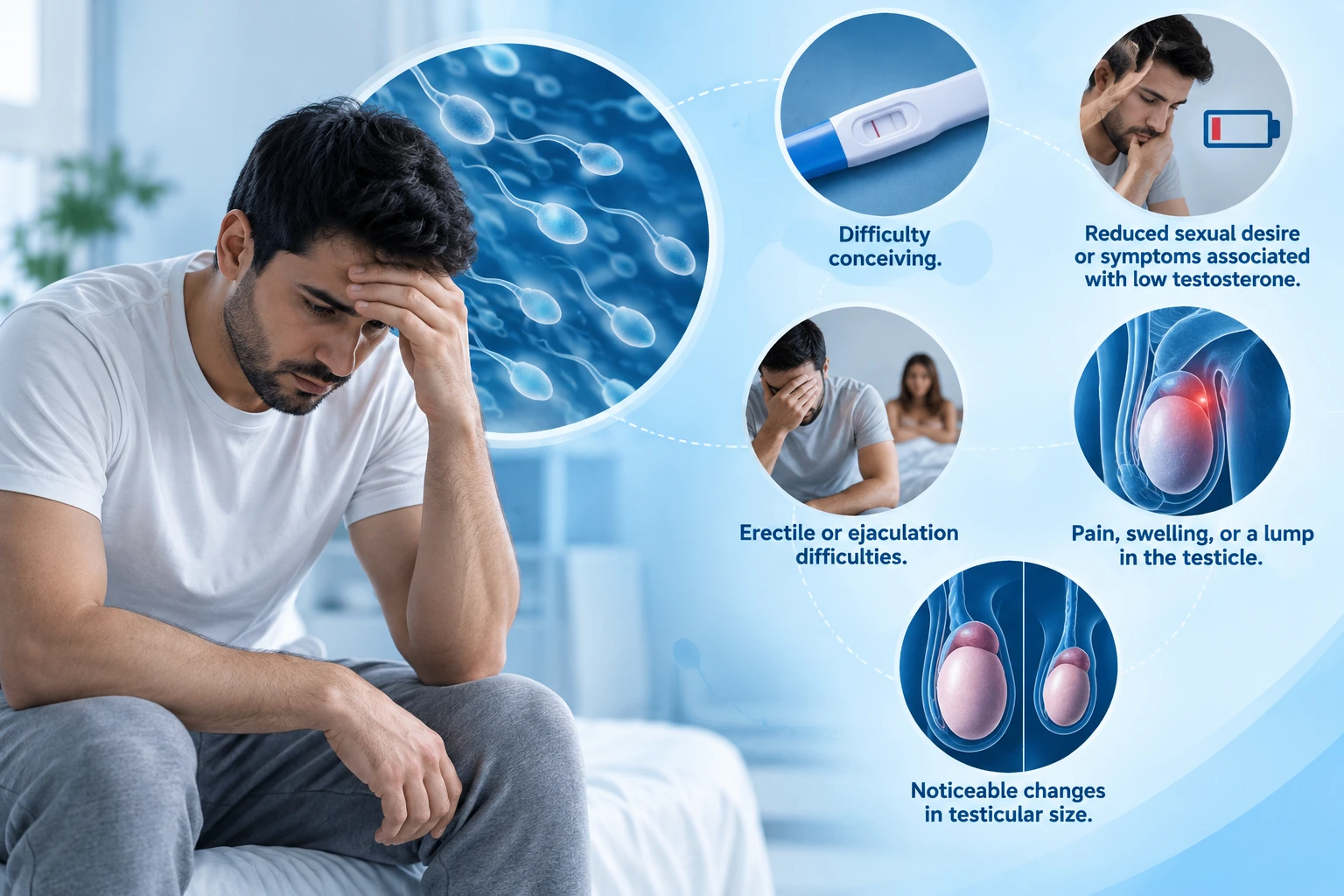
These symptoms do not confirm a low sperm count. If you experience testicular pain, swelling, or a lump, seek medical assessment.
How Is Low Sperm Count Diagnosed
Lorem ipsum dolor sit amet, consectetur adipiscing elit. Ut elit tellus, luctus nec ullamcorper mattis, pulvinar dapibus leo.

Medical and Fertility History
The doctor may ask about your medical conditions, medicines, previous surgeries, lifestyle, sexual health, and how long you have been trying to conceive.

Semen Analysis
A semen analysis is the primary test used to assess sperm concentration, total sperm count, motility, morphology, and other semen parameters. An abnormal result may need to be repeated because sperm parameters can vary between samples. Follow the laboratory's instructions about abstinence, sample collection, and delivery.
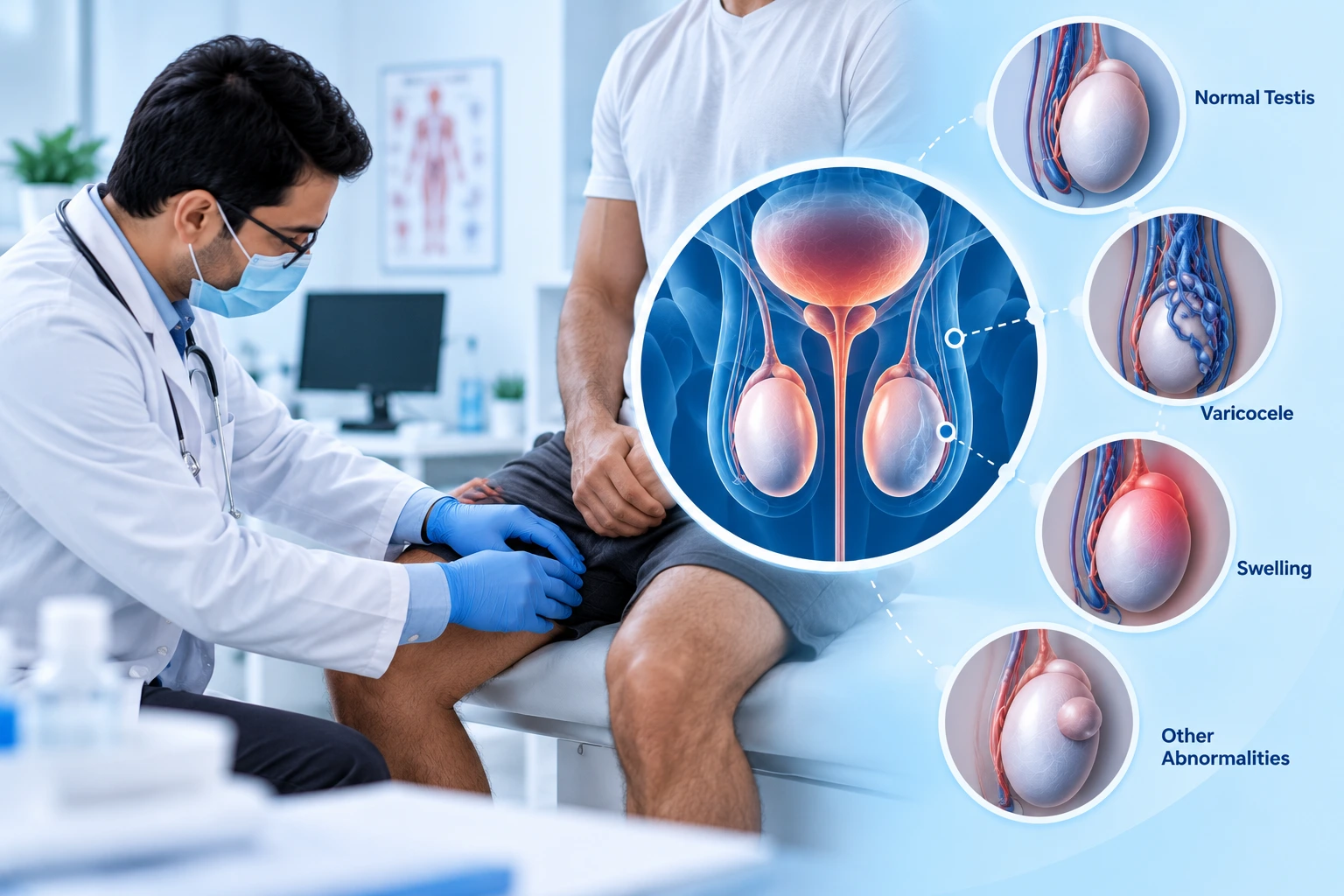
Physical Examination
Depending on your history and results, the clinician may examine the testes and reproductive structures for signs of varicocele, swelling, or other abnormalities.
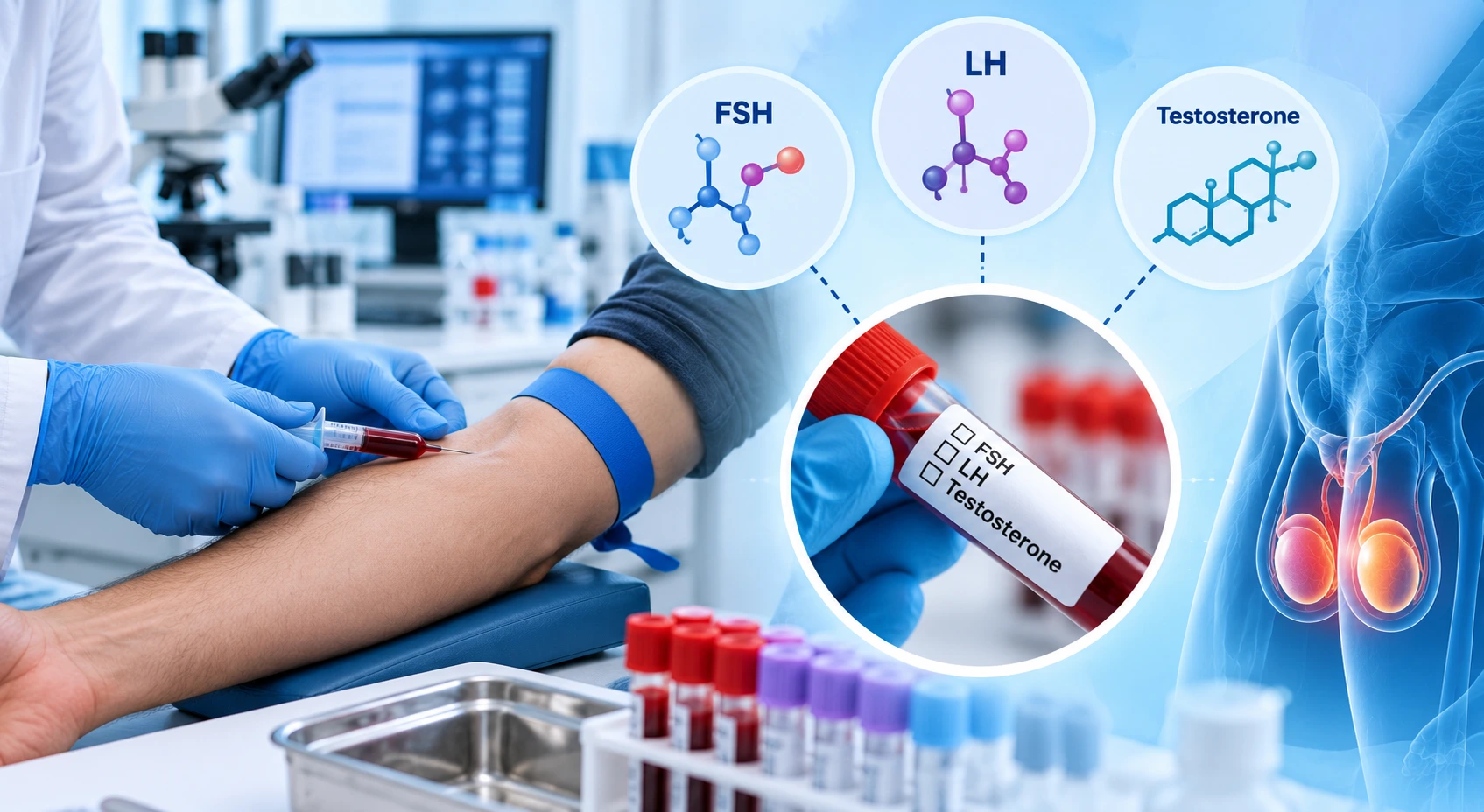
Hormone Testing
Blood tests such as FSH, LH, and testosterone may be advised when the semen analysis or clinical findings suggest a hormonal problem.
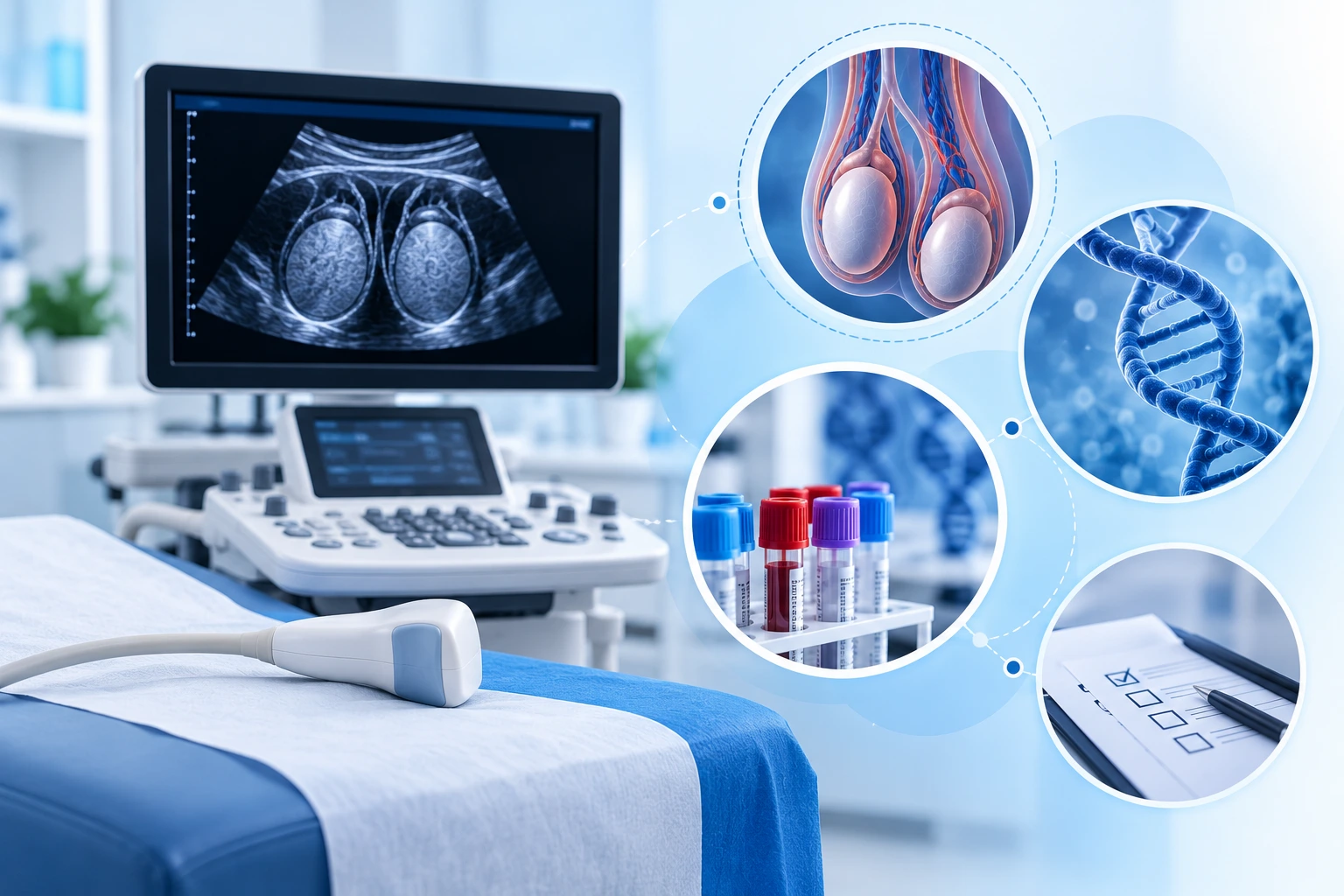
Ultrasound or Additional Tests
A scrotal ultrasound, genetic testing, or other specialised investigations may be recommended in selected cases.
Not every patient needs every test. Your doctor will decide which investigations are appropriate.
Low Sperm Count Treatment in Pune:
Available Options
Treatment depends on the cause, severity of the sperm count reduction, other semen parameters, and the fertility goals of both partners. There is no single treatment that works for every man. The aim is to address treatable causes where possible and identify the most appropriate route to conception.
Lifestyle Changes
Healthy habits may support general reproductive health. Your doctor may recommend stopping smoking, avoiding anabolic steroids, limiting harmful substance use, maintaining a healthy weight, and following a balanced diet. Lifestyle changes alone may not correct every cause of low sperm count.
Medication and Hormonal Treatment
Medication may be useful when a specific condition, such as a hormonal disorder or certain infections, is identified. Hormonal medicines should only be used under medical supervision. Testosterone replacement therapy can suppress sperm production and should not be used as a fertility treatment in men trying to conceive.
Treatment for Varicocele
In selected men, treatment of a clinically significant varicocele may be considered after evaluating the examination findings, semen results, and couple's fertility situation. The potential benefits and limitations should be discussed with the treating specialist.
Treatment for Reproductive Tract Blockages
If an obstruction is identified, surgery may be an option in selected cases. Where appropriate, sperm retrieval and assisted reproductive techniques may also be discussed.
Intrauterine Insemination (IUI)
IUI involves placing prepared sperm into the uterus around the time of ovulation. It may be considered when the post-processing sperm count and motility are suitable and other fertility factors support this approach. It is not appropriate for every case of low sperm count.
In Vitro Fertilisation (IVF)
IVF involves fertilising an egg with sperm in a laboratory. It may be considered when there are significant sperm abnormalities, additional fertility factors, or when other approaches are unlikely to be suitable.
Intracytoplasmic Sperm Injection (ICSI)
ICSI is a specialised IVF technique in which a single sperm is injected directly into an egg. It may be considered for certain cases of severe male-factor infertility. The decision depends on the clinical assessment and available sperm.
Surgical Sperm Retrieval
When sperm are absent from the semen, a specialist may investigate whether sperm production is present but sperm transport is blocked or impaired.
In selected cases, procedures such as PESA or TESE may be used to retrieve sperm for assisted reproduction. Suitability depends on the underlying diagnosis.
How Does Low Sperm Count Treatment Work
Treatment usually follows an individualised process.
step 01
Initial Consultation
Discuss your fertility concerns, medical history, previous reports, and how long you and your partner have been trying to conceive.
step 02
Fertility Testing
The doctor reviews your semen analysis and recommends repeat testing or additional investigations if needed.
step 03
Identify the Possible Cause
The assessment may include a physical examination, hormone tests, imaging, or genetic testing, depending on your results.
step 04
Discuss Treatment Options
You may be advised about lifestyle changes, treatment for an identified medical condition, selected surgical options, or assisted reproductive techniques.
step 05
Follow-Up Assessment
The doctor determines when follow-up testing is appropriate. Changes in sperm production may take time to appear, so the timing of repeat semen analysis depends on the treatment and clinical circumstances.
step 06
Plan the Next Fertility Step
Your treatment plan should consider both partners' results, reproductive goals, age-related factors, and the time available for treatment.
Can Low Sperm Count Be Treated Naturally
Healthy lifestyle habits can support overall health and may help reduce some factors associated with poor sperm quality. Consider the following:
- Eat a balanced diet with vegetables, fruits, whole grains, and protein sources.
- Exercise regularly and maintain a healthy weight.
- Stop smoking and avoid tobacco.
- Avoid anabolic steroids and non-prescribed fertility medicines.
- Limit exposure to excessive heat and harmful chemicals where possible.
- Discuss all medicines and supplements with your doctor.
There is no guaranteed natural remedy for low sperm count. Supplements should not replace medical evaluation, especially when a couple is experiencing difficulty conceiving.
How Long Does Low Sperm Count Treatment Take
The timeline depends on the underlying cause and the treatment selected.
Sperm production takes several weeks, so improvements may not be visible immediately. Your doctor may recommend repeat semen analysis after an appropriate interval.
If assisted reproductive treatment is needed, the timeline will depend on the couple’s assessment and treatment plan.
An early consultation can help you understand the next steps without relying on unverified remedies or delaying necessary evaluation.
Can You Become a Father With a Low Sperm Count
Yes, pregnancy may still be possible for some men with a low sperm count. The chances depend on the sperm concentration, motility, morphology, underlying cause, and fertility factors affecting both partners.
Some men may conceive naturally, while others may benefit from treatment or assisted reproductive techniques such as IVF or ICSI.
A semen analysis alone cannot predict every couple’s outcome. A fertility assessment can help clarify the available options.
Why Choose Neo-woman for Fertility Guidance in Pune
Fertility concerns can be stressful, especially when a semen analysis report shows an abnormal result. Clear guidance can help you understand what the report means and what to do next.
At Neo-woman, you can discuss fertility concerns and explore appropriate next steps based on your medical history and reproductive goals.
The right treatment depends on the diagnosis. No treatment can guarantee conception, but an appropriate evaluation can help you make informed decisions.
Individualised guidance
Understand the factors that may be affecting conception.
Test interpretation
Discuss semen analysis and other relevant reports.
Couple-focused evaluation
Consider the fertility health of both partners.
Treatment planning
Explore suitable medical options and assisted reproductive techniques.
Informed decisions
Understand the benefits, limitations, and risks of the available options.
Consult Dr. Chaitanya Ganapule for Fertility
Guidance in Pune
Dr. Chaitanya Ganapule is an Obstetrician and Gynaecologist at Neo-woman, Pune, with qualifications and training in infertility and IVF.
His qualifications include:
- MBBS
- MD (Obstetrics & Gynaecology)
- Certificate in Infertility & IVF – United Kingdom
- Diploma in Gynaec Endoscopy – France and Germany
If you and your partner are facing difficulty conceiving, a fertility consultation can help you understand the investigations and treatment pathways that may be appropriate for your situation.
For concerns about Low Sperm Count Treatment in Pune, male fertility testing and treatment planning may require coordination with a urologist or andrologist, depending on the findings. Both partners may need evaluation to understand the factors affecting conception.

Frequently Asked Questions About Low
Sperm Count Treatment in Pune
The best treatment depends on the cause. Options may include lifestyle changes, treatment for hormonal problems or infections, selected surgery, or assisted reproductive techniques such as IVF and ICSI.
A fertility specialist can help coordinate the fertility evaluation. A urologist or andrologist may be needed to assess male reproductive conditions and recommend specific treatment.
Low sperm count can reduce the chance of natural conception, but it does not always mean complete infertility. Sperm movement, shape, the underlying cause, and both partners' fertility health also matter.
It may improve when a treatable cause is identified. However, improvement is not guaranteed, and the result depends on the underlying condition and response to treatment.
A semen analysis is the main test used to assess sperm concentration and other semen parameters. Follow the laboratory's instructions for sample collection and ask your doctor whether repeat testing is needed.
A repeat test may be recommended when the first result is abnormal because semen parameters can vary. Your doctor will advise the timing based on the report and clinical context.
Natural conception may be possible, depending on the sperm count, motility, other semen parameters, and your partner's fertility. A specialist can help assess your individual circumstances.
A balanced diet with vegetables, fruits, whole grains, healthy fats, and adequate protein supports general health. No specific food can guarantee an increase in sperm count.
Some supplements are marketed for male fertility, but benefits vary and evidence is not conclusive for every product. Consult your doctor before starting supplements, particularly if you take other medicines.
Smoking and tobacco use may negatively affect male reproductive health. Stopping smoking is a sensible step when trying to conceive, although it may not resolve every cause of low sperm count.
Testosterone replacement can suppress the body's signals for sperm production and may reduce sperm count. Men who want to conceive should discuss fertility-preserving options with a qualified clinician before taking hormonal medicines.
No. IVF is not necessary in every case. Depending on the findings, natural conception, treatment of an underlying cause, IUI, IVF, or ICSI may be considered.
In conventional IVF, eggs and sperm are placed together in a laboratory to allow fertilisation. In ICSI, a single sperm is injected directly into an egg. The suitable method depends on the couple's clinical assessment.
In selected cases, sperm may be retrieved from the reproductive tract or testicular tissue. The feasibility depends on the cause of azoospermia and requires specialist evaluation.
It depends on the cause and treatment. Sperm production takes time, so the doctor may recommend repeat semen analysis after an appropriate interval rather than expecting immediate changes.
No. Low sperm count often has no obvious symptoms and may only be identified through semen analysis.
Consider evaluation if you have been trying to conceive for 12 months without success. Seek advice earlier if your partner is aged 35 or older, you have a known reproductive condition, or there are other reasons for concern.
Yes. Evaluating both partners at an appropriate time can help identify contributing factors and guide a coordinated fertility plan.
The cost depends on the tests required, the cause, medicines, any procedure, and whether assisted reproductive treatment is recommended. Ask the clinic for an estimate based on your individual treatment plan.
You can contact Neo-woman to arrange a fertility consultation and discuss the appropriate next steps for your situation.
Book a Consultation for
Low Sperm Count Treatment in Pune
Difficulty conceiving can have several causes, and low sperm count is only one possible factor. An appropriate assessment can help you understand your report and explore the options available to you and your partner.
If you are looking for a Low Sperm Count Specialist in Pune or a Low Sperm Count Doctor in Pune, contact Neo-woman to discuss fertility guidance and the next steps for evaluation.
- Contact Neo-woman
- Phone 8888576666 / 7030114488
- Email: info@neowoman.in

JM Road
1277 Renaissance, 1st Floor, J. M. Road, next to McDonald's, Deccan Gymkhana, Pune.

Apte Road
1212, Apte Road, opposite Centro Hotel, Shirole Road, Shivajinagar, Pune, Maharashtra 411004.

Hadapsar
Gandharva Empire, 3rd Floor, above Fab India, Raskar Chowk, Amanora Park, Hadapsar, Pune.