Low Sperm Motility Treatment in Pune
Are you trying to conceive but facing difficulties due to a low sperm motility report? Poor sperm movement can affect the chances of sperm reaching and fertilising an egg.
Low sperm motility does not always mean pregnancy is impossible. The right approach is to identify possible causes and understand which treatment options may be suitable.
At NeoWomans, Pune, Dr. Chaitanya Ganapule can help couples understand male fertility concerns and explore appropriate fertility evaluation and treatment options.
What Is Low Sperm Motility
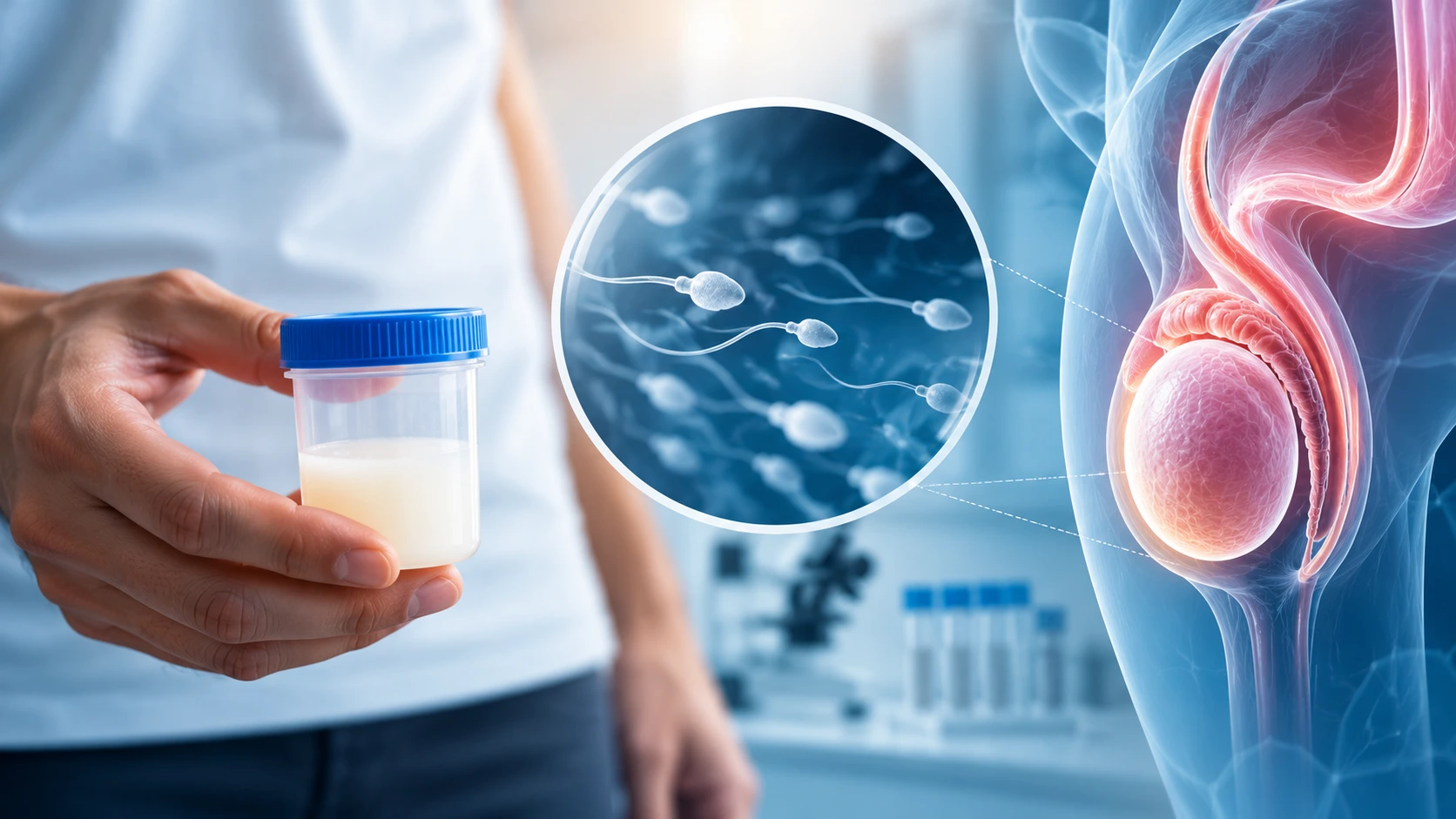
Low sperm motility, also called asthenozoospermia, means that a lower-than-expected proportion of sperm are moving effectively.
There are different types of sperm movement:
Progressive motility
Sperm move forward effectively.
Non-progressive motility
Sperm move but do not progress forward effectively.
Immotile sperm
Sperm do not show movement.
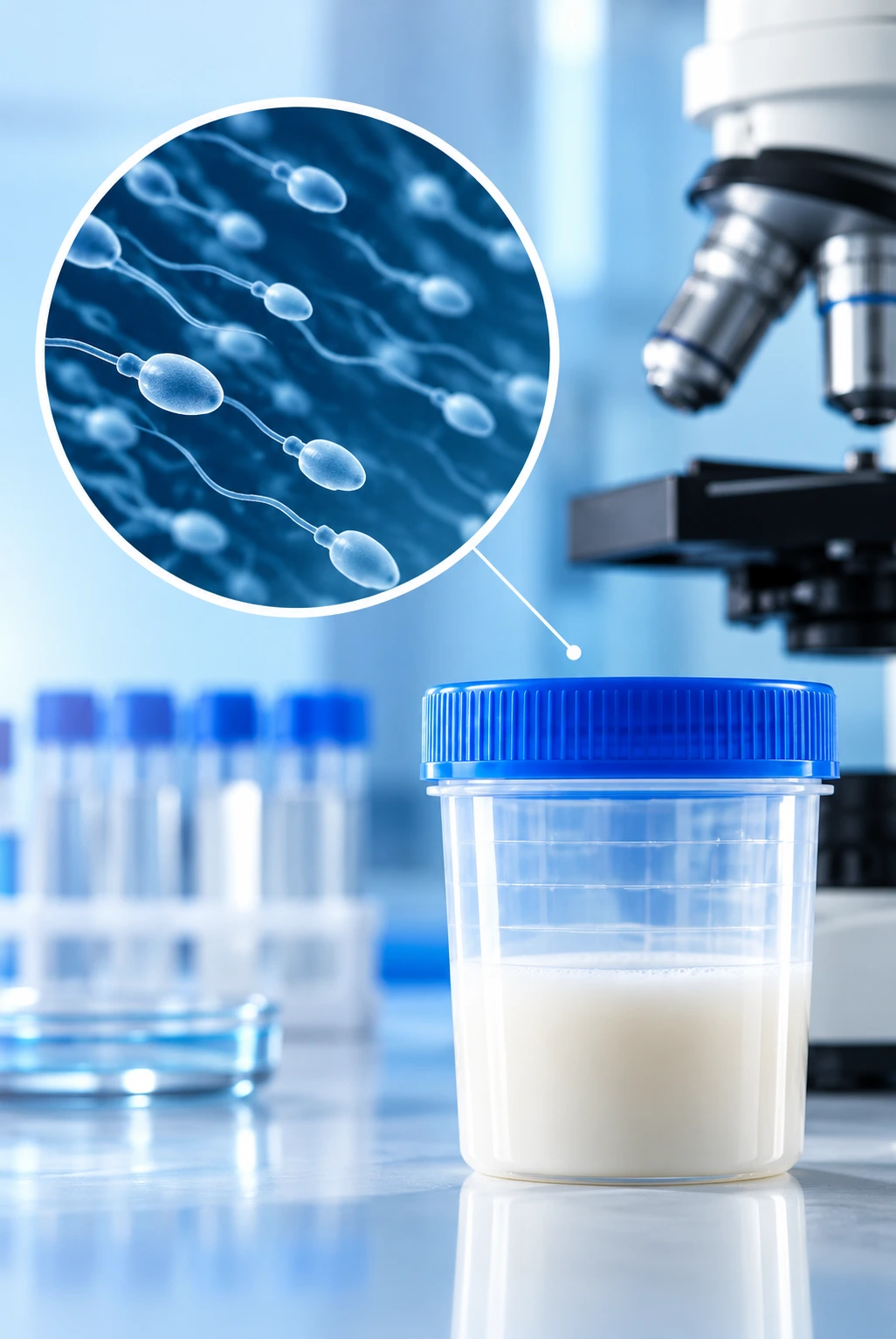
A semen analysis helps assess these patterns. Your doctor will interpret the results using current laboratory reference standards and your overall fertility history.
What Is Sperm Motility
Sperm motility refers to the ability of sperm to move. Healthy sperm movement helps sperm travel through the female reproductive tract towards the egg.
Sperm motility is an important part of male fertility. However, it is only one factor involved in conception.
Sperm count, sperm shape, overall semen quality and female reproductive health also influence the chances of pregnancy.
What Is Considered Normal Sperm Motility
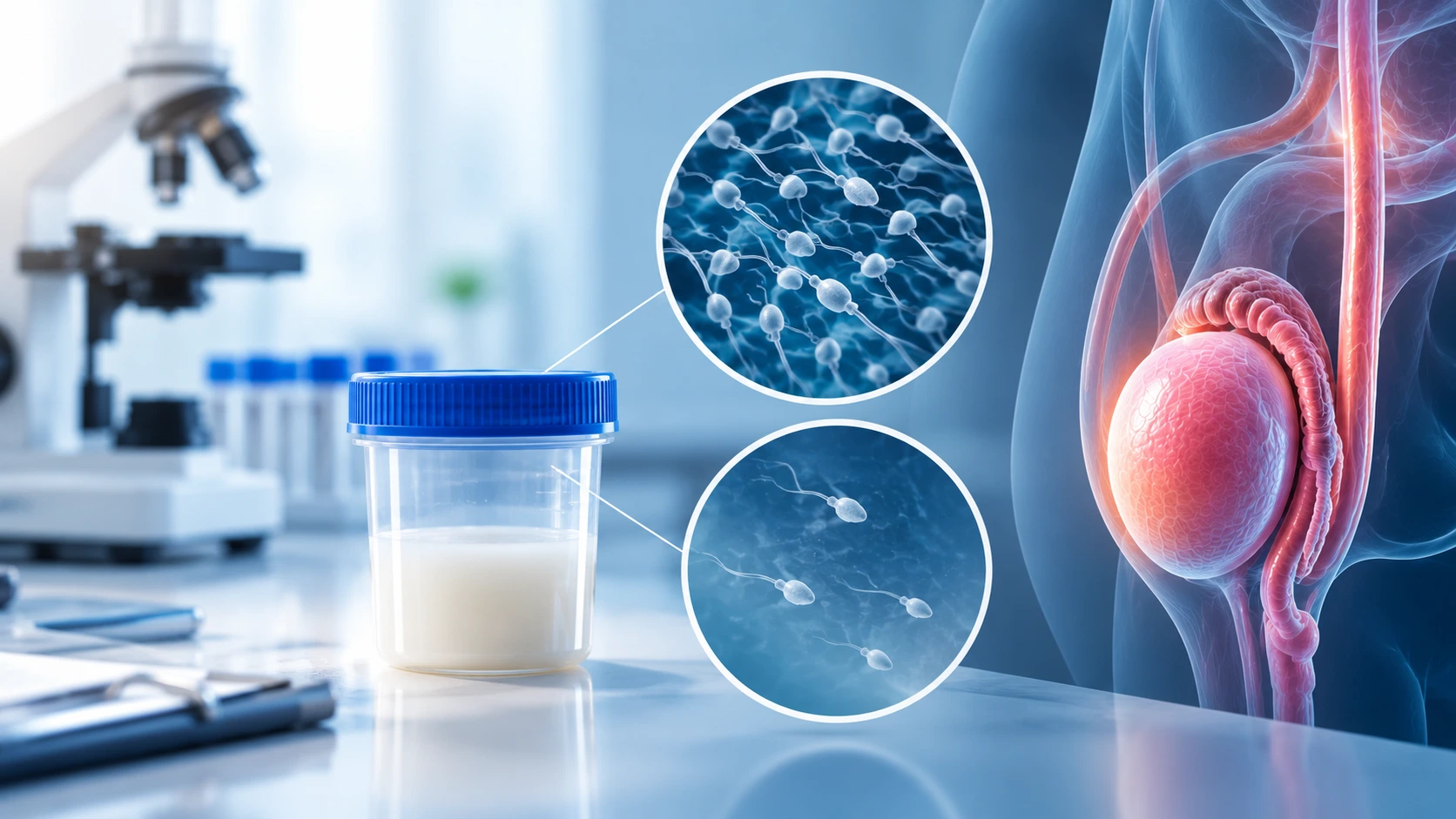
Semen analysis evaluates sperm movement, concentration, shape and other characteristics.
According to commonly used WHO laboratory reference values, the lower fifth percentile for total sperm motility is approximately 42%, while progressive motility is approximately 30%. These are reference values, not absolute boundaries between fertile and infertile men.
A result below these values does not automatically mean that natural conception is impossible.
Your sperm motility report should be interpreted alongside other semen parameters, medical history and your partner’s fertility assessment.
What Causes Low Sperm Motility
Poor sperm motility can develop due to several medical, lifestyle or environmental factors.
Common possible causes include:
Varicocele
Enlarged veins around the testicles may affect sperm production and quality.
Genital tract infections
Certain infections may affect sperm function.
Hormonal problems
Hormone imbalances can interfere with sperm production.
Oxidative stress
Excessive oxidative stress may damage sperm cells.
Smoking and alcohol
These may negatively affect sperm health.
Excessive heat exposure
Frequent high heat exposure around the testicles may affect sperm production.
Certain medicines
Some medicines and medical treatments may affect male fertility.
Previous illness or injury
Some medical conditions can influence sperm quality.
In some men, the exact cause may remain unclear.
Risk Factors for Poor Sperm Motility
Certain factors may increase the likelihood of reduced sperm motility.
These include:
- Smoking or tobacco use
- Heavy alcohol consumption
- Obesity and a sedentary lifestyle
- Exposure to certain industrial chemicals or environmental toxins
- Frequent exposure to excessive heat
- Frequent exposure to excessive heat
- Previous testicular injury or surgery
- Certain hormonal or genetic conditions
- A history of reproductive tract infections
- Chemotherapy or radiation treatment
Not every man with these risk factors will develop poor sperm motility. A medical evaluation can help identify relevant concerns.
What Are the Symptoms of Low Sperm Motility
Low sperm motility usually does not cause noticeable symptoms.
Many men discover the condition only when they undergo fertility testing after difficulty conceiving.
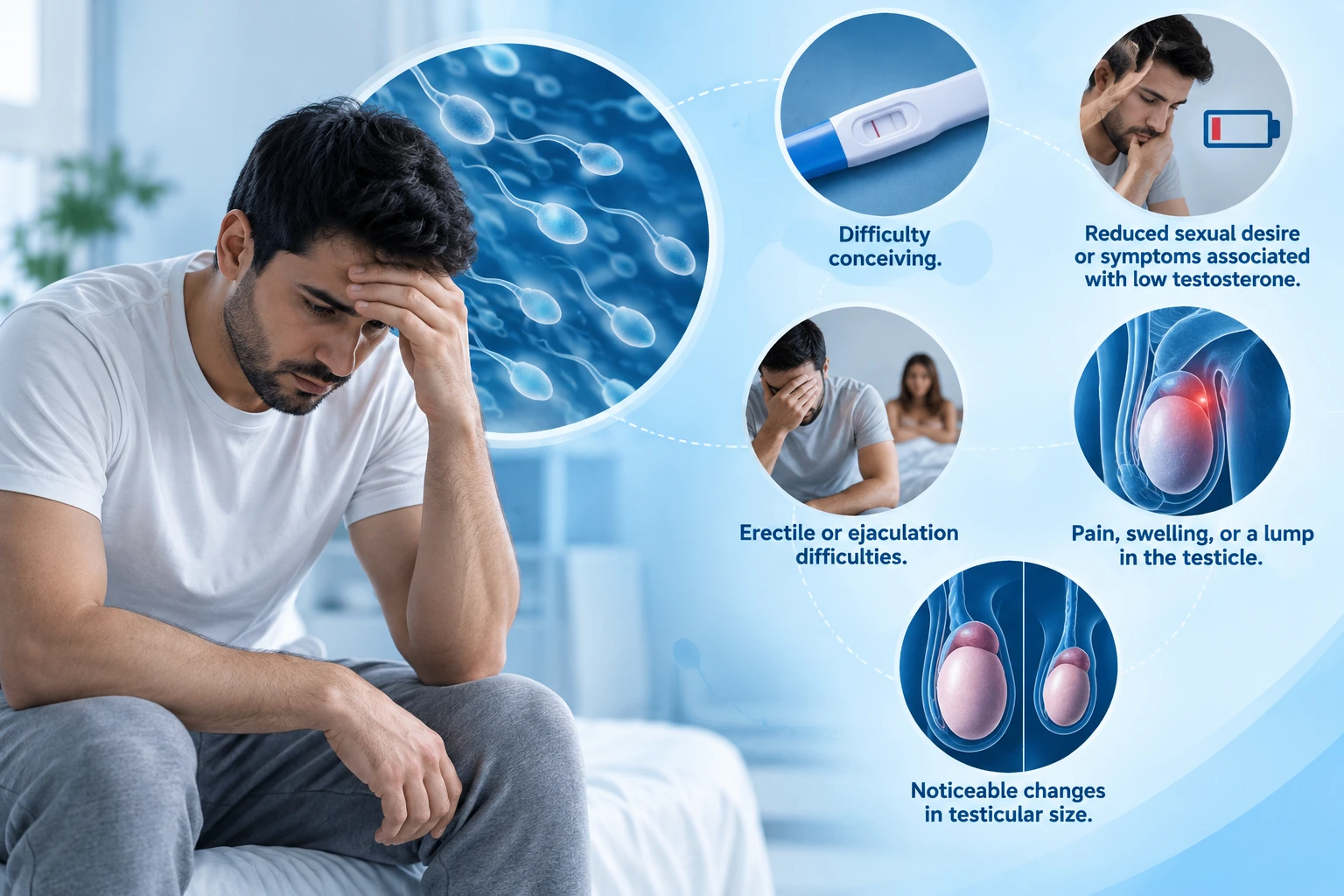
Possible associated signs may include:
- Difficulty achieving pregnancy
- Pain or swelling in the testicular area if an underlying condition is present
- Changes in sexual function associated with another medical condition
- A history of testicular or reproductive health problems
These signs do not confirm low sperm motility. A semen analysis is needed to assess sperm movement.
Low Sperm Motility Treatment in Pune
Treatment depends on the underlying cause, the severity of the motility problem, other semen parameters and your pregnancy goals.
There is no single treatment that works for every man with low sperm motility.
01
Treatment of Underlying Medical Conditions
If an infection, hormonal problem or other medical condition is identified, your doctor may recommend appropriate treatment. Treating the underlying condition may improve sperm health in some cases.
02
Varicocele Treatment
If a clinically significant varicocele is identified, a specialist may discuss whether treatment is appropriate. The decision depends on examination findings, semen results and the couple's fertility goals. Improvement in sperm quality or pregnancy outcomes is not guaranteed.
03
Lifestyle and Sperm Health Management
Your doctor may recommend practical lifestyle changes to support general and reproductive health. These may include stopping smoking, limiting alcohol, maintaining a healthy weight and avoiding excessive heat exposure. Lifestyle changes may help some men, but they cannot guarantee normal sperm motility.
04
Medicines and Supplements
Medicines may be recommended when a specific, treatable cause is identified. Certain supplements are sometimes considered, but evidence of benefit varies. They should not be taken routinely without medical advice. Hormonal medicines are not suitable for every man and should only be used when clinically indicated.
05
Intrauterine Insemination (IUI)
IUI may be considered in selected cases when sperm parameters and other fertility factors are suitable. The decision depends on factors such as the number of motile sperm available after processing, the female partner's fertility assessment and the couple's reproductive goals.
06
In Vitro Fertilisation (IVF)
IVF may be considered when natural conception is unlikely or other fertility factors make assisted reproduction appropriate. The treatment plan depends on the complete fertility evaluation of both partners.
07
Intracytoplasmic Sperm Injection (ICSI)
ICSI is a specialised IVF technique in which an embryologist injects a single sperm directly into an egg. It may be recommended in selected cases of significant male-factor infertility, including certain cases involving poor sperm motility.
Who May Be Affected by Low Sperm Motility?
Poor sperm motility can affect men of different ages.
An evaluation may be helpful if:
You and your partner have been trying to conceive without success.
Your semen analysis shows reduced sperm movement.
You have previously received an abnormal fertility test result.
You have a history of testicular injury, surgery or infection.
You have a known hormonal or reproductive health condition.
You are planning fertility treatment and need a male fertility assessment.
Both partners should be evaluated when appropriate, as fertility difficulties may involve male factors, female factors or a combination of both.
Can Sperm Motility Improve Naturally
Sperm motility may improve in some men when contributing factors are addressed.
Helpful measures may include:
- Eating a balanced, varied diet
- Maintaining a healthy body weight
- Exercising regularly
- Avoiding smoking and tobacco
- Limiting alcohol consumption
- Getting adequate sleep
- Avoiding excessive heat exposure
- Managing existing medical conditions
These measures support overall health but cannot guarantee improved sperm motility. If your semen analysis is abnormal, do not rely on lifestyle changes alone without discussing the findings with a healthcare professional.
How Is Low Sperm Motility Diagnosed in Pune?
Diagnosis begins with a review of your medical history and semen analysis report.
Your doctor may recommend additional investigations depending on your results and symptoms.

Semen Analysis
Semen analysis is the main test used to assess sperm motility. It evaluates sperm movement along with semen volume, sperm concentration and other parameters. Because results can vary, your doctor may recommend repeating the test when appropriate.

Medical and Reproductive History
Your doctor may ask about previous illnesses, medications, lifestyle habits, testicular injuries, surgeries and how long you have been trying to conceive. This information can help identify possible contributing factors.
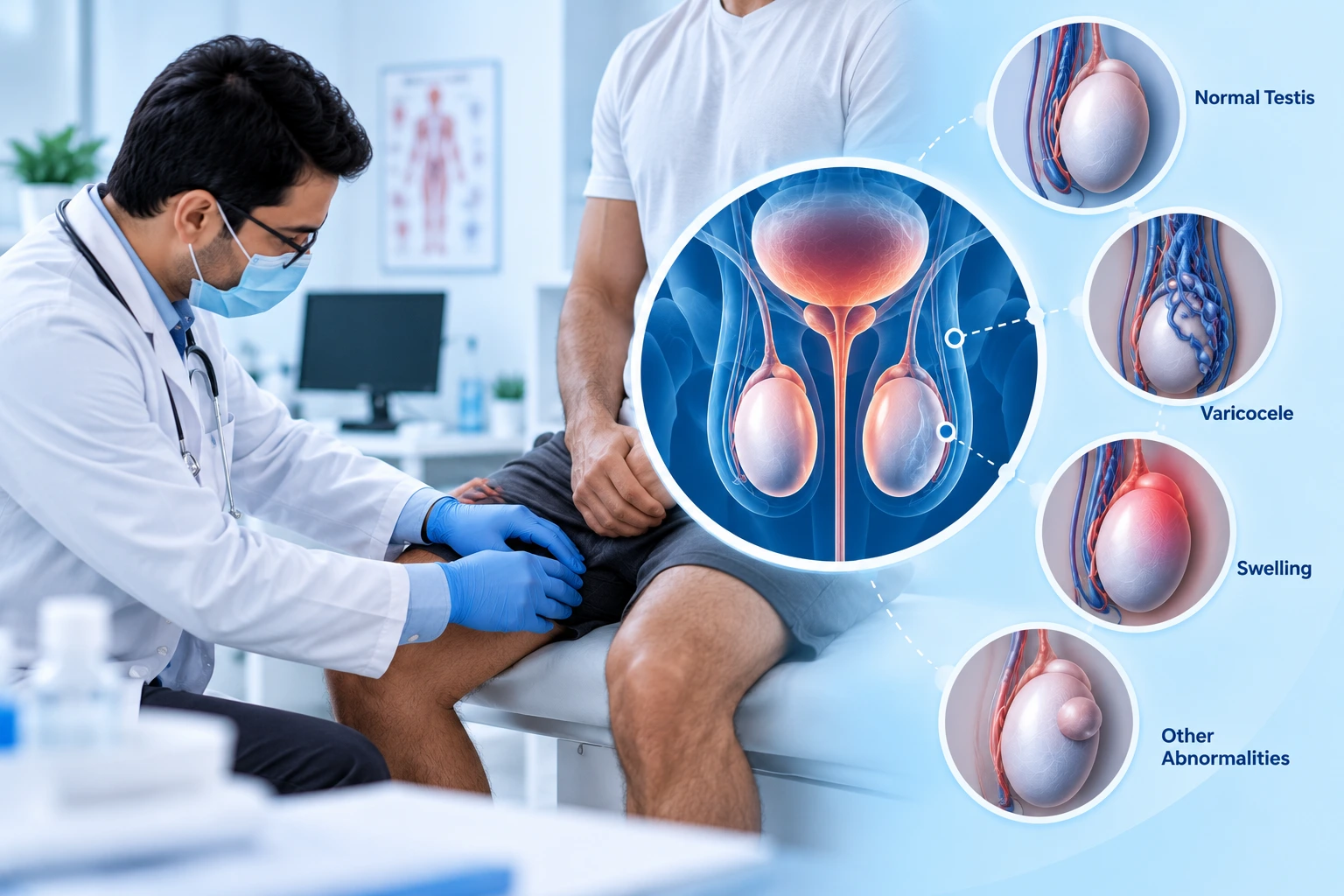
Physical Examination
A physical examination may help identify conditions such as varicocele or other abnormalities affecting the reproductive system.
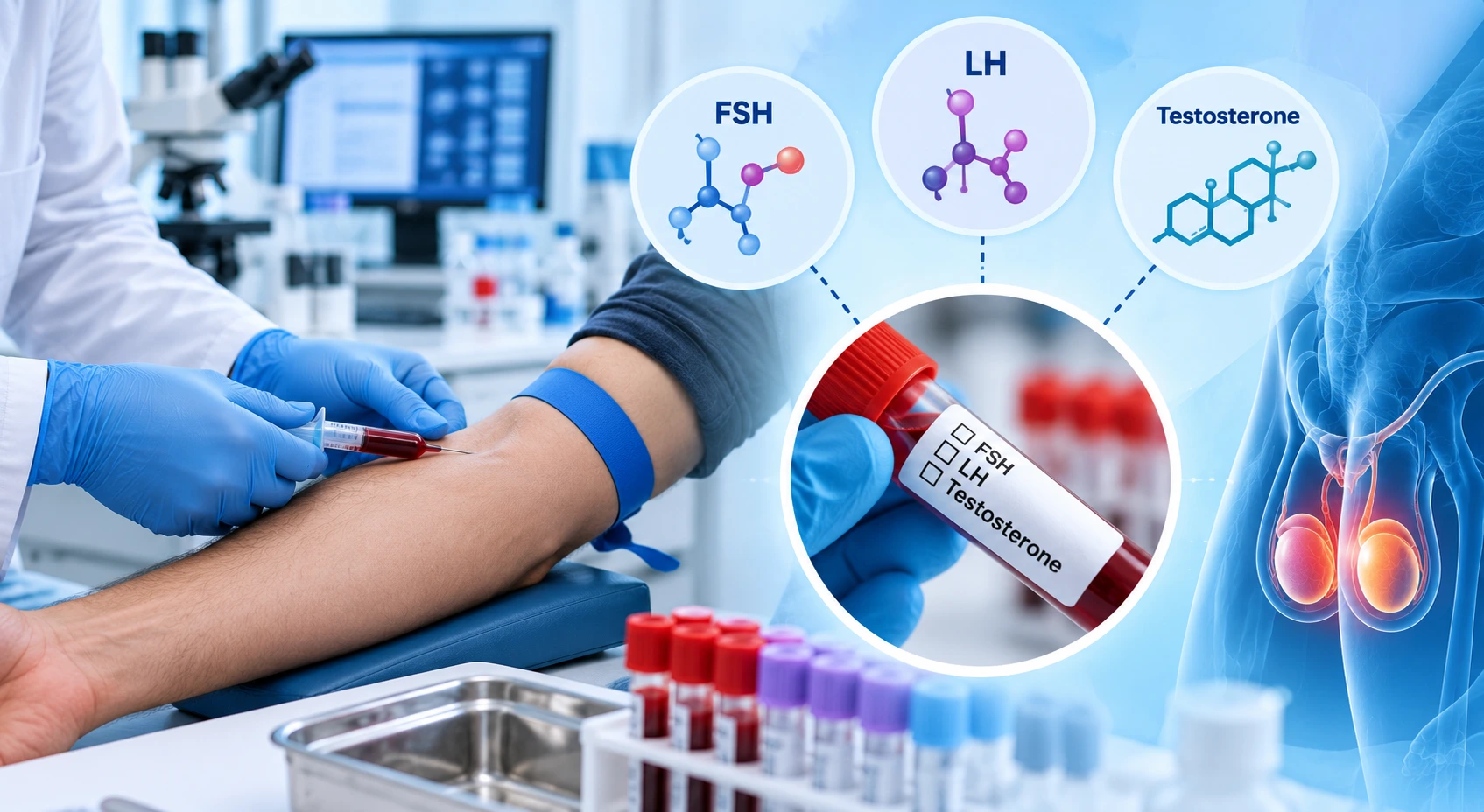
Hormone Testing
Blood tests may be recommended if a hormonal problem is suspected. Depending on your clinical findings, tests may include FSH, LH and testosterone.
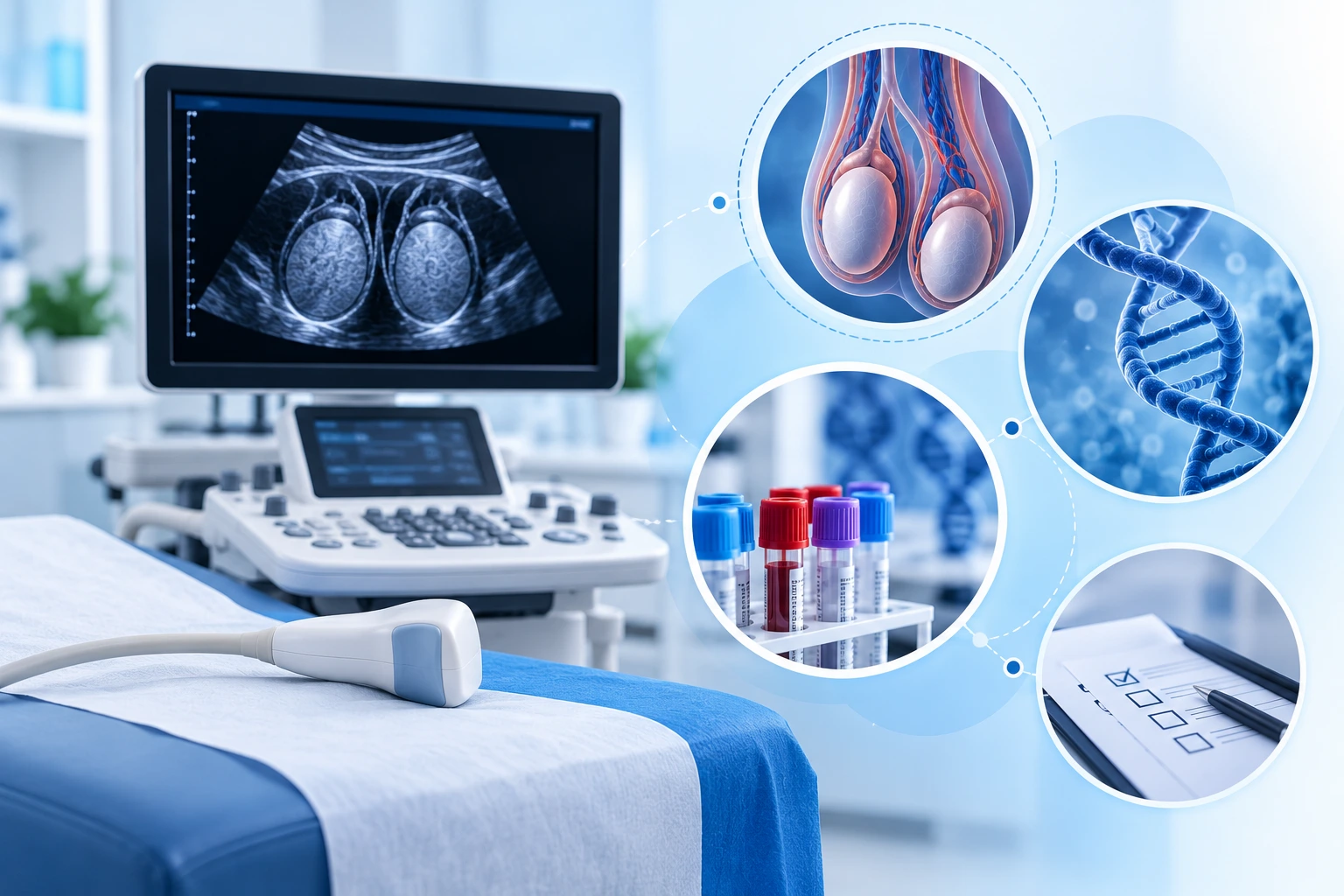
Additional Investigations
In selected cases, your doctor may recommend a scrotal ultrasound, infection-related tests or other investigations.
Not every patient requires all these tests. The diagnostic plan depends on individual findings.
Step-by-Step Procedure for Low Sperm Motility Treatment
The treatment process depends on the diagnosis and the fertility option selected.
step 01
Initial Consultation
Your doctor discusses your fertility concerns, medical history, lifestyle and pregnancy goals.
Your partner's reproductive history may also be reviewed as part of the couple's evaluation
step 02
Semen Analysis Review
Your existing semen analysis report is reviewed to assess sperm motility and other semen parameters.
A repeat test may be recommended if necessary.
step 03
Identify the Possible Cause
Your doctor may recommend a physical examination, hormone testing or other investigations based on the initial findings.
step 04
Personalised Treatment Planning
Suitable options are discussed according to the results.
These may include treatment of an underlying condition, lifestyle changes, further investigations, IUI, IVF or ICSI.
step 05
Treatment and Follow-Up
Your doctor monitors progress according to the selected treatment.
If lifestyle changes or medical treatment are recommended, follow-up testing may help assess changes in semen quality.
How Long Does It Take to Improve Sperm Motility
The time required depends on the cause of poor sperm motility and the treatment used.
Sperm development takes approximately three months, so changes following lifestyle adjustments or treatment may take several months to become apparent.
However, improvement is not guaranteed, and the timeline varies between individuals.
Your doctor can advise when repeat semen analysis may be appropriate.
Can You Get Pregnant With Low Sperm Motility
Yes, pregnancy may still be possible when sperm motility is low.
The chances depend on the degree of reduced motility, sperm count, sperm function, female reproductive health and other fertility factors.
Some couples may conceive naturally, while others may benefit from fertility treatment.
A complete assessment of both partners can help determine the most appropriate next steps.
Low Sperm Motility and IVF Success
Low sperm motility may affect the ability of sperm to reach and fertilise an egg naturally.
Depending on the overall fertility findings, IVF or ICSI may be considered.
ICSI can help overcome certain sperm movement or fertilisation problems by placing a selected sperm directly into an egg. However, it does not guarantee fertilisation, pregnancy or live birth.
Your fertility specialist can explain the potential benefits, limitations and expected outcomes based on your individual circumstances.
Why Choose NeoWomans for Poor Sperm Motility Treatment in Pune
At NeoWomans, fertility care focuses on understanding the factors that may affect a couple’s ability to conceive.
Individual Fertility Assessment
Your semen analysis and medical history are considered alongside other relevant fertility findings.
Specialist-Guided Planning
Dr. Chaitanya Ganapule can discuss fertility evaluation and appropriate next steps based on the clinical findings.
Clear Treatment Guidance
You can discuss available options, their limitations and the investigations that may be required before choosing a treatment approach.
Couple-Centred Fertility Care
Fertility concerns may involve one or both partners. Evaluating both partners when appropriate helps support informed decisions about conception and treatment.
Meet Dr. Chaitanya Ganapule
Dr. Chaitanya Ganapule is a gynaecology and fertility specialist at NeoWomans, Pune.
- MBBS
- MD (Obstetrics & Gynaecology)
- Certificate in Infertility & IVF – United Kingdom
- Diploma in Gynaec Endoscopy – France and Germany
Consult Dr. Chaitanya Ganapule to discuss fertility concerns, understand the evaluation process and explore suitable treatment options for couples experiencing difficulty conceiving.
For male-factor fertility concerns, assessment by a urologist or andrologist may also be appropriate, depending on the findings.

Frequently Asked Questions
The best treatment depends on the underlying cause, semen analysis results and the fertility needs of both partners. Options may include treating an identified condition, lifestyle changes, IUI, IVF or ICSI.
In some cases, sperm motility may improve when a treatable cause is addressed. However, not every case can be completely corrected. Treatment outcomes depend on the individual condition.
Yes, natural pregnancy may still be possible. The likelihood depends on sperm motility, sperm count, other semen parameters and the female partner's fertility.
Possible causes include varicocele, certain infections, hormonal conditions, oxidative stress, lifestyle factors and some medical treatments. Sometimes, no clear cause is found.
Semen analysis is the main test used to assess sperm motility. Your doctor may recommend repeating the test and conducting additional investigations when appropriate.
Commonly used WHO reference values place the lower fifth percentile at approximately 42% for total motility and 30% for progressive motility. These values must be interpreted alongside the full semen analysis and clinical history.
Changes may take around three months to become apparent because sperm development takes time. The actual timeline depends on the cause and treatment, and improvement is not guaranteed.
A balanced diet supports general health and provides essential nutrients. However, no particular food can guarantee an increase in sperm motility or restore fertility.
Some supplements have been studied for male fertility, but the evidence is variable. Consult your doctor before taking antioxidants or other fertility supplements.
No. IVF is not necessary in every case. Some couples may conceive naturally or may be suitable for IUI, while others may benefit from IVF or ICSI.
In conventional IVF, eggs and sperm are placed together in a laboratory to allow fertilisation. In ICSI, one sperm is injected directly into an egg. ICSI may be considered in selected cases of male-factor infertility.
Stress may affect general wellbeing, sleep and lifestyle habits, which can influence reproductive health. However, low sperm motility should not be attributed to stress alone without appropriate evaluation.
No. Low sperm motility can reduce the chances of natural conception, but it does not automatically mean that pregnancy is impossible. The complete fertility assessment is important.
The cost depends on the investigations and treatment required. Consultation, semen analysis, blood tests, medicines, IUI, IVF and ICSI have different costs. Contact NeoWomans for current fees and an individual estimate.
A fertility specialist can help coordinate a couple's fertility assessment. Depending on the suspected cause, a urologist or andrologist may be required for male reproductive health evaluation. At NeoWomans, Dr. Chaitanya Ganapule can discuss fertility concerns and appropriate next steps.
Consider seeking an evaluation if a semen analysis shows low motility or if you have concerns about conception. Couples are generally advised to seek infertility evaluation after 12 months of trying, or after six months when the female partner is aged 35 or older. Earlier evaluation may be appropriate when known fertility problems or other risk factors are present.
Book a Consultation for Low Sperm Motility
Treatment in Pune
A poor sperm motility report can raise concerns, but it does not tell the whole story about your chances of conception. Understanding the possible cause and assessing both partners can help you make informed decisions about your fertility journey. Consult Dr. Chaitanya Ganapule at NeoWomans to discuss fertility concerns, investigations and suitable next steps.
- NeoWomans Apte Road, Opp. Centro Hotel, Shirole Road, Shivajinagar, Pune, Maharashtra – 411004
- Phone: +91 94230 39292
- Email: info@neowoman.in