Teratozoospermia Treatment in Pune
Are you looking for teratozoospermia treatment in Pune? Teratozoospermia is a male fertility condition in which a lower-than-expected percentage of sperm have a normal shape. It may affect the ability of sperm to fertilise an egg, but it does not always mean that natural pregnancy is impossible.
At NeoWomans, Dr. Chaitanya Ganapule provides fertility evaluation and personalised guidance for couples experiencing difficulty conceiving. The treatment plan depends on sperm morphology results, other semen parameters, medical history, and the reproductive health of both partners.
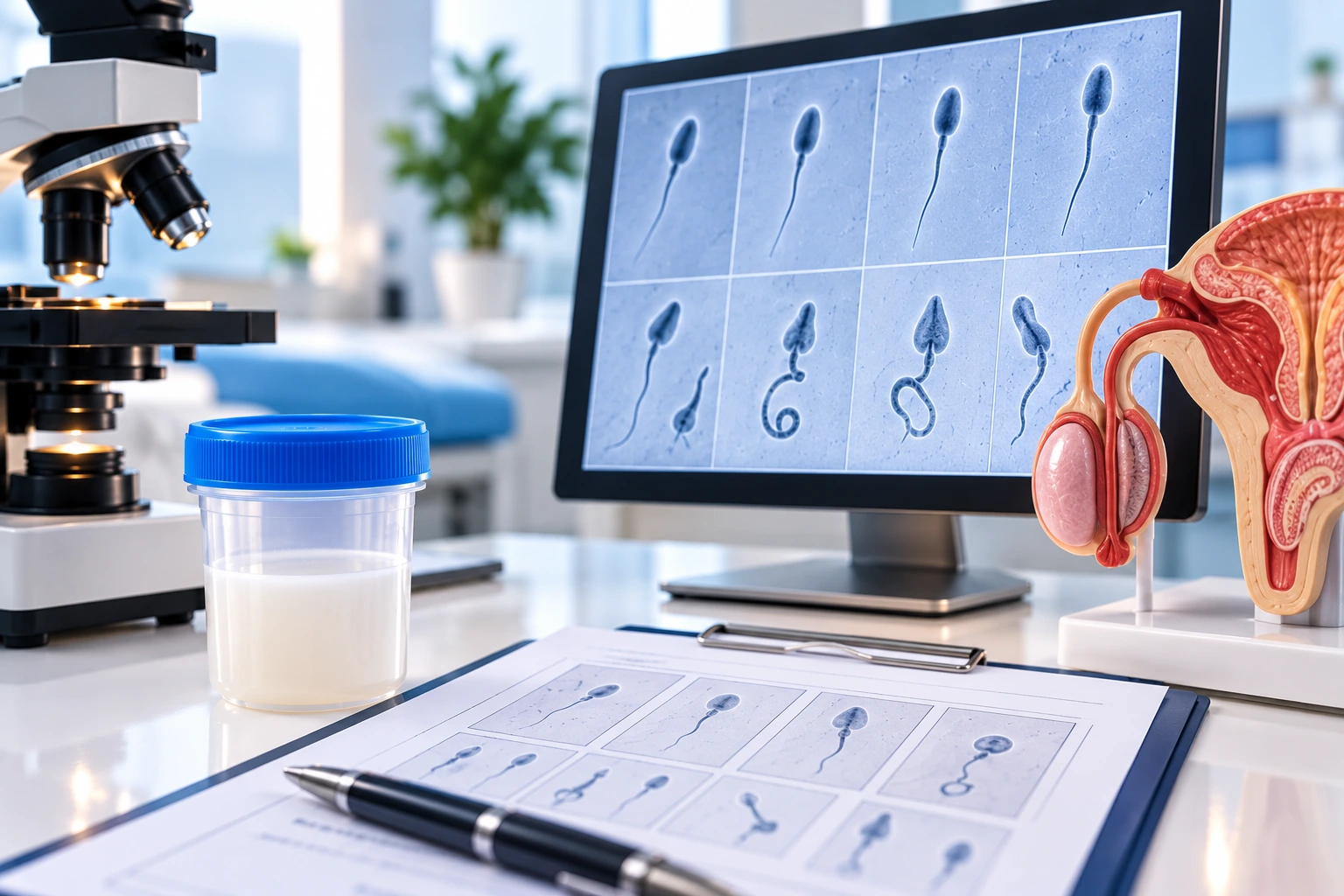
What Is Teratozoospermia
Sperm count is measured through a semen analysis.
Teratozoospermia, also called abnormal sperm morphology, means that a higher proportion of sperm have an unusual shape or structure.
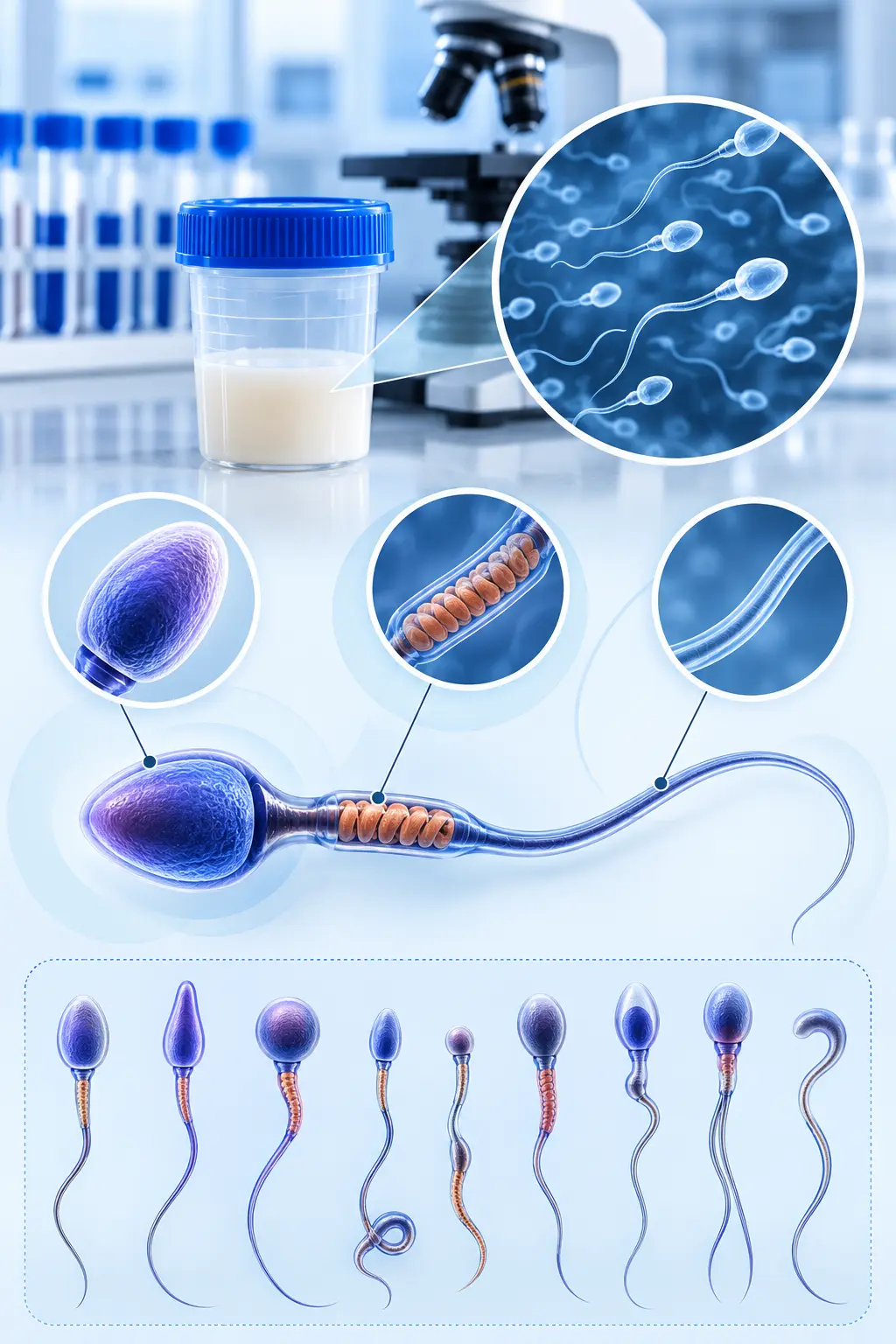
A sperm has three main parts: the head, midpiece, and tail. Each part helps the sperm function and participate in fertilisation.
In teratozoospermia, abnormalities may affect one or more of these parts. The condition is usually identified through a semen analysis performed in a laboratory.
What Is Normal Sperm Morphology
Sperm morphology refers to the shape and structure of sperm when examined under a microscope.
According to the World Health Organization’s semen analysis reference data, approximately 4% normal forms is the lower reference value commonly used for sperm morphology. This is not a strict boundary between fertility and infertility.
Some men with low sperm morphology can conceive naturally. A doctor must consider sperm count, motility, medical history, and both partners’ fertility factors before recommending treatment.
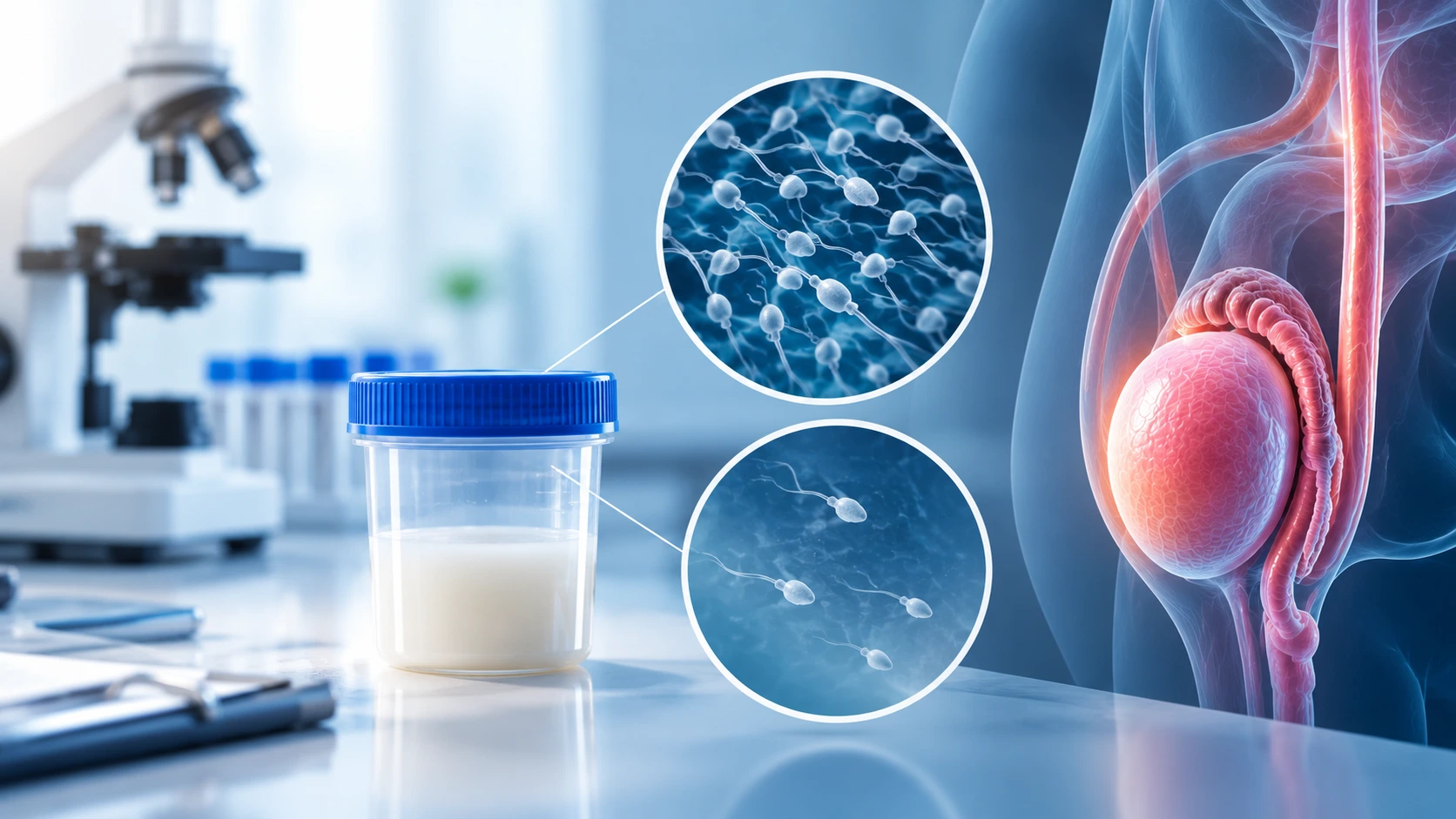
Types of Sperm Morphology Abnormalities
Sperm abnormalities can affect different parts of the sperm.
Head Abnormalities
The sperm head contains genetic material and structures involved in fertilisation. It may be unusually large, small, tapered, irregular, or have other structural changes.
Midpiece Abnormalities
The midpiece connects the head to the tail and contains structures involved in energy production. An abnormal midpiece may affect sperm function.
Tail Abnormalities
The tail helps sperm move. A short, bent, coiled, or otherwise irregular tail may affect movement.
Multiple Structural Abnormalities
Some sperm may have abnormalities in more than one part. The clinical importance depends on the specific findings and the overall semen analysis.
What Causes Teratozoospermia
Teratozoospermia can have several possible causes. Sometimes, no clear cause is identified.
Common factors that may be associated with abnormal sperm morphology include:
Varicocele
Enlarged veins around the testicle may affect sperm production in some men.
Infections or inflammation
Certain reproductive tract infections may affect sperm health.
Heat exposure
Frequent or prolonged exposure to high temperatures may affect sperm production.
Smoking and substance use
Tobacco and recreational drugs may negatively affect reproductive health.
Medical conditions
Hormonal problems and some long-term health conditions may affect sperm production.
Environmental exposure
Certain workplace chemicals or toxins may affect reproductive health.
Genetic factors
Some specific patterns of sperm abnormalities may be linked to genetic conditions.
Unexplained causes
In some men, no definite cause is found after evaluation.
Identifying a possible cause helps the doctor decide whether treatment or further testing is needed.
Risk Factors for Teratozoospermia
Some factors may be associated with poorer sperm quality or reproductive health.
These include:
- Smoking or tobacco use
- Excessive alcohol consumption
- Use of recreational drugs
- Obesity or metabolic health problems
- Certain infections
- A history of testicular injury or surgery
- Varicocele or other reproductive conditions
- Exposure to specific environmental or occupational toxins
- Some medicines or treatments that affect sperm production
Having one or more risk factors does not confirm teratozoospermia. A medical assessment and semen analysis are needed.
Symptoms of Teratozoospermia
Teratozoospermia usually does not cause noticeable physical symptoms. Many men discover it during fertility testing.
Possible reasons to seek a medical assessment include:
- Difficulty achieving pregnancy
- An abnormal semen analysis report
- Testicular pain, swelling, or a lump
- Symptoms of a possible reproductive tract infection
- A history of testicular or reproductive health problems
Pain, swelling, or a testicular lump should be assessed by a qualified clinician rather than assumed to be caused by sperm morphology changes.
Teratozoospermia Treatment in Pune
There is no single treatment that is suitable for every case of teratozoospermia. Treatment depends on the cause, the severity of the findings, other sperm parameters, and the couple’s fertility goals.
01
Treating the Underlying Cause
If a treatable medical condition, infection, or other contributing factor is identified, the doctor may recommend appropriate treatment. Antibiotics are used only when indicated, such as for a confirmed or suspected infection assessed by a clinician. They are not a routine treatment for every abnormal morphology result.
02
Managing Varicocele
If a clinically significant varicocele is present, specialist assessment may help determine whether treatment is appropriate. Any potential benefit depends on the individual case.
03
Medicines and Supplements
Medicines are recommended when there is a specific medical reason to use them. Supplements and antioxidants have not been proven to improve sperm morphology or fertility in every patient. Do not start hormone medicines, high-dose vitamins, or fertility supplements without medical advice.
04
Intrauterine Insemination (IUI)
IUI may be considered for selected couples after reviewing sperm count, sperm movement, the female partner's fertility, and other relevant factors. Low morphology alone does not automatically rule out IUI.
05
In Vitro Fertilisation (IVF)
IVF may be considered when pregnancy has not occurred with simpler approaches or when other fertility factors make it appropriate. The doctor will discuss the expected benefits, limitations, costs, and possible risks based on the couple's evaluation.
06
Intracytoplasmic Sperm Injection (ICSI)
ICSI is a fertility technique in which a selected sperm is injected directly into an egg during IVF. It may be recommended in selected cases of male-factor infertility. The decision should consider the full fertility assessment rather than sperm morphology alone.
Lifestyle Changes
A doctor may recommend practical steps to support reproductive health, such as:
- Stopping smoking and avoiding recreational drugs
- Limiting alcohol
- Maintaining a healthy weight
- Eating a balanced diet
- Exercising regularly
- Managing chronic health conditions
- Avoiding unnecessary heat and toxin exposure where possible
Lifestyle changes can support general health, but they do not guarantee that sperm morphology will return to a particular level.
Who May Need Teratozoospermia Treatment
A fertility evaluation may be helpful for men who:
Have low normal sperm morphology on a semen report.
Have been trying to conceive without success.
Have abnormal sperm count or motility along with morphology changes.
Have a history of testicular problems, infections, or varicocele.
Have previously received an abnormal semen analysis report.
Are preparing for fertility treatment such as IUI or IVF.
Have a known medical condition that may affect sperm health.
Both partners should generally be assessed when pregnancy has not occurred despite regular unprotected intercourse for 12 months, or earlier when age or known medical factors make prompt evaluation appropriate.
How Is Teratozoospermia Diagnosed
Diagnosis begins with a semen analysis and a review of the patient’s reproductive and medical history.

Semen Analysis
A semen analysis measures several parameters, including sperm count, movement, shape, and semen volume. The morphology result reports the percentage of sperm classified as normally shaped. Results should be interpreted using the laboratory's method and reference criteria.

Medical and Reproductive History
The doctor may ask about previous illnesses, medications, lifestyle factors, reproductive history, and how long the couple has been trying to conceive.
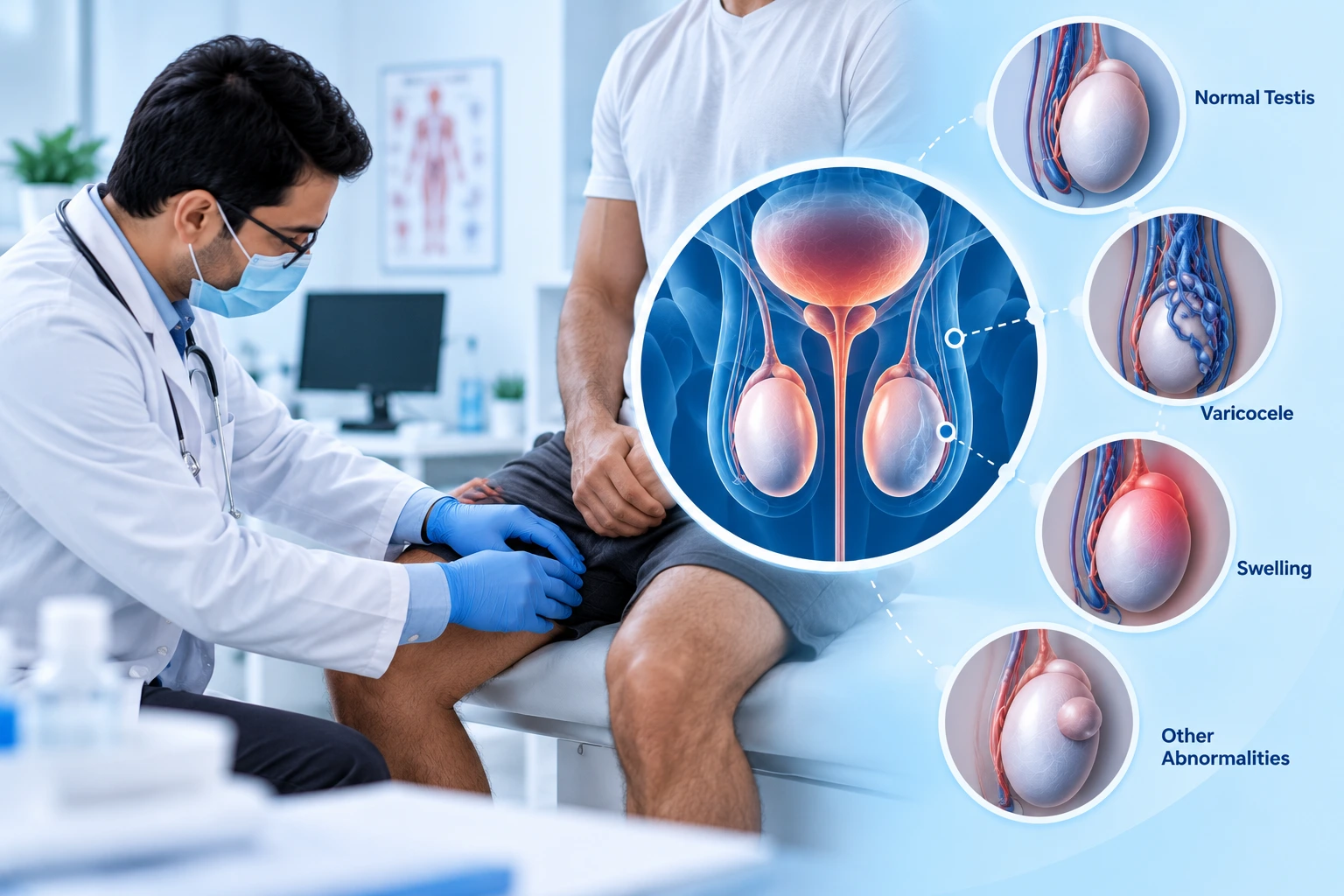
Physical Examination
When indicated, a clinician may examine the testicles and reproductive system for signs of varicocele or other conditions.
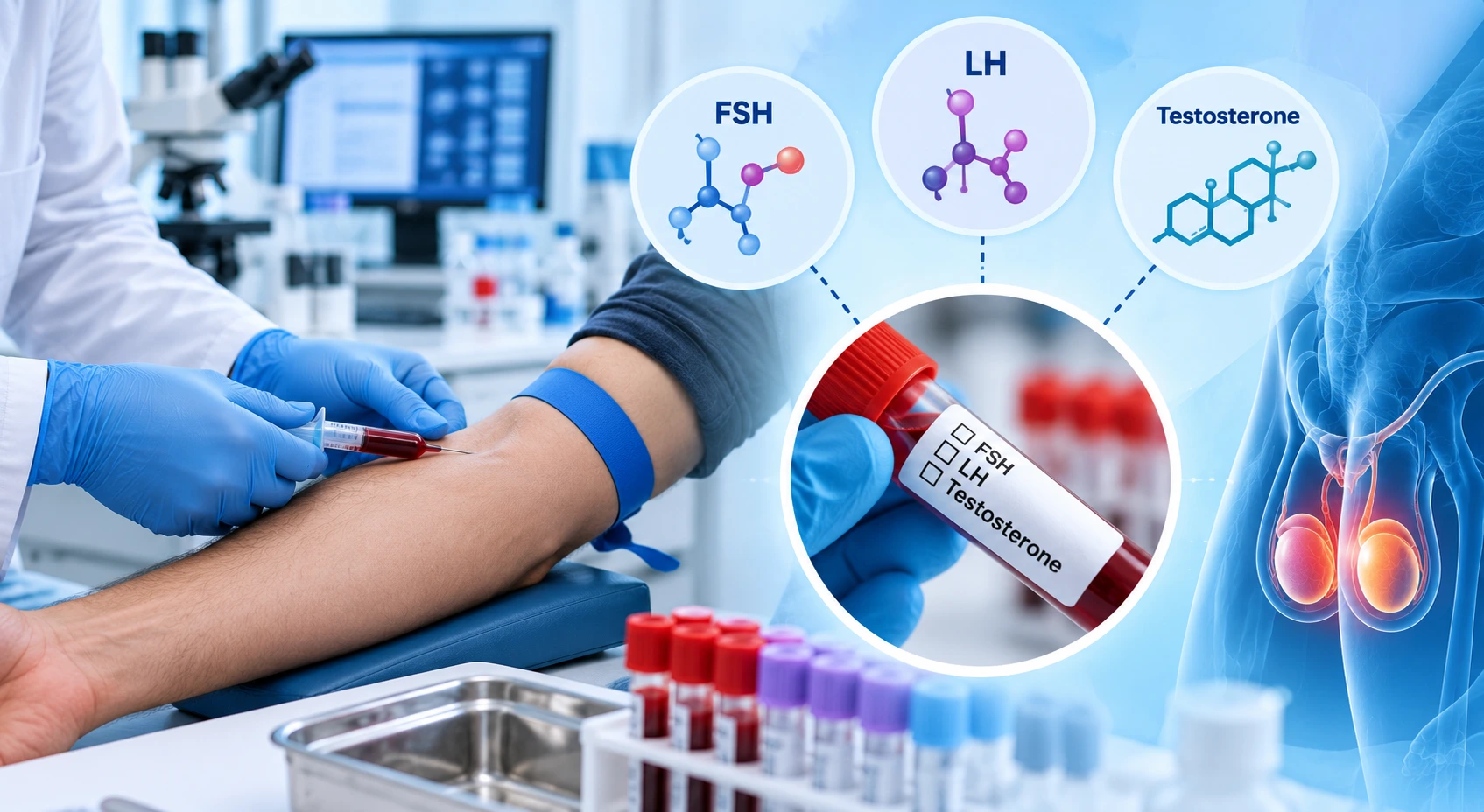
Hormone Testing
Blood tests may be recommended when the history, examination, or semen analysis suggests a possible hormonal problem.
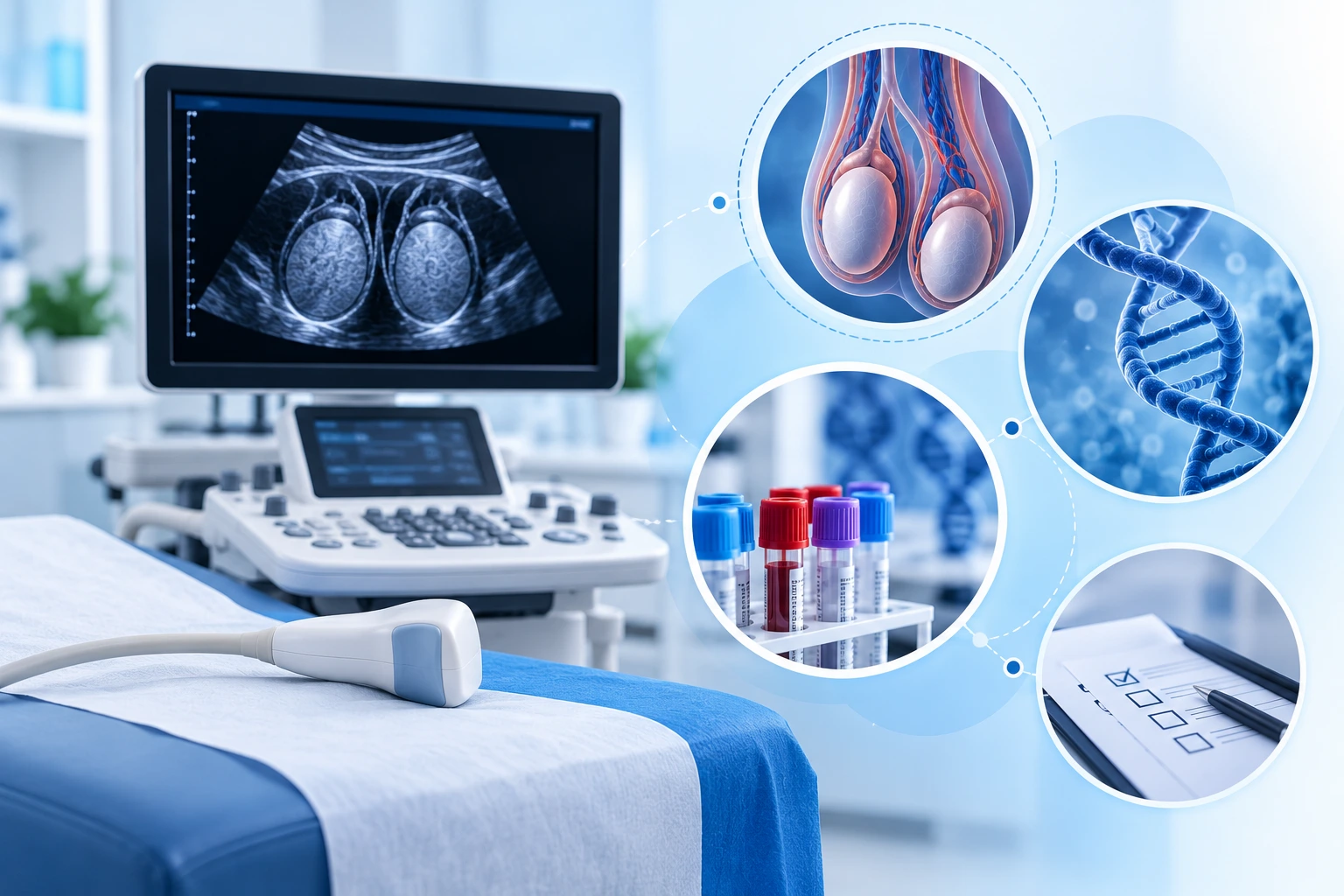
Additional Investigations
Further tests may be considered based on the findings. These may include infection testing, selected imaging, or specialised investigations when clinically appropriate.
Repeat Semen Analysis
Sperm parameters can vary between samples. If a semen analysis is abnormal, the doctor may recommend repeating it. WHO guidance suggests a repeat after at least 11 weeks when one or more semen parameters are outside its reference ranges. A single low morphology result does not by itself establish infertility. The complete clinical picture matters
What Is the Treatment Procedure for Teratozoospermia
The treatment process depends on the diagnosis and the option recommended for the couple.
step 01
Initial Consultation
Discuss your fertility concerns, medical history, previous reports, and how long you have been trying to conceive.
step 02
Review of Semen Analysis
The doctor reviews sperm morphology along with sperm count, motility, volume, and other relevant findings.
step 03
Further Evaluation
Additional tests or a male reproductive specialist's assessment may be recommended if the results suggest an underlying problem.
step 04
Personalised Treatment Plan
The doctor explains suitable options, which may include addressing a medical cause, lifestyle changes, or assisted reproductive techniques.
step 05
Follow-Up
Follow-up appointments and repeat testing may be advised to assess changes and guide the next step.
The treatment plan is individualised. Not every patient needs medication or assisted reproductive treatment.
Can Teratozoospermia Be Treated Naturally
Some men may improve their overall reproductive health by making lifestyle changes and treating underlying conditions. However, there is no guaranteed natural remedy for abnormal sperm morphology.
Avoid smoking, recreational drugs, and unverified fertility products. Seek medical advice before taking supplements or making changes to prescribed medicines.
Can a Man With Teratozoospermia Have a Baby
Yes, pregnancy may still be possible. Some men with low normal sperm morphology conceive naturally, while others may need fertility support.
The likelihood of pregnancy depends on several factors, including sperm count, motility, the cause of the morphology changes, the female partner’s fertility, and the duration of infertility.
A fertility specialist can help assess the available options.
How Long Does Teratozoospermia Treatment Take
The timeline depends on the underlying cause and the treatment selected.
Changes in sperm parameters may take several months to become apparent because sperm production takes time. If IUI or IVF is recommended, the treatment timeline will depend on the specific plan and the couple’s circumstances.
Your doctor can explain when follow-up testing or fertility treatment should be considered.
Why Choose NeoWomans for Teratozoospermia
Evaluation in Pune
NeoWomans offers fertility consultations for couples experiencing difficulty conceiving.
At NeoWomans, Dr. Chaitanya Ganapule can help review fertility concerns, explain relevant investigations, and guide patients towards appropriate next steps.
Patients from Shivajinagar, Apte Road, Deccan, and nearby areas of Pune can contact the clinic to discuss their concerns and arrange a consultation.
Meet Dr. Chaitanya Ganapule
Dr. Chaitanya Ganapule Gynaecology and Fertility Specialist
- MBBS
- MD (Obstetrics & Gynaecology)
- Certificate in Infertility & IVF – United Kingdom
- Diploma in Gynaec Endoscopy – France and Germany
Consultation can help couples understand their fertility reports and discuss appropriate evaluation and treatment options.

Frequently Asked Questions
Teratozoospermia means that a lower-than-expected proportion of sperm have a normal shape, as identified through semen analysis.
Approximately 4% normal forms is the commonly cited lower reference value in the WHO sixth-edition semen manual. This value is not an absolute boundary between fertility and infertility.
No. Low sperm morphology alone does not prove that a man is infertile or unable to father a child. Other semen parameters and both partners' fertility should be assessed.
Possible causes include varicocele, some infections, specific medical or genetic conditions, and certain environmental exposures. Sometimes, no clear cause is found.
The outcome depends on the cause. Some contributing conditions can be treated, but there is no single treatment that guarantees normal sperm morphology in every patient.
Healthy lifestyle habits may support reproductive health, but they do not guarantee improved morphology. A doctor can advise whether any further investigation or treatment is needed.
A semen analysis evaluates sperm morphology along with other semen parameters. An abnormal result may need to be repeated and interpreted in the context of medical history and examination.
Not always. Depending on the complete fertility assessment, natural conception, IUI, IVF, or IVF with ICSI may be discussed. The most suitable option varies from couple to couple.
Your doctor may recommend repeating the test because semen parameters can vary. WHO guidance suggests repeating an abnormal semen analysis after at least 11 weeks when one or more parameters fall outside its reference ranges.
You can consult a fertility specialist for an evaluation and treatment discussion. A urologist or andrologist may also be involved when assessment of male reproductive health is needed.
You can contact NeoWomans on +91 94230 39292 to enquire about a fertility consultation with Dr. Chaitanya Ganapule.
Book a Consultation for Teratozoospermia
Treatment in Pune
An abnormal sperm morphology report can raise questions, but it does not tell the whole fertility story. A proper evaluation can help you understand the findings and discuss suitable next steps. Consult Dr. Chaitanya Ganapule at NeoWomans for fertility guidance and an individualised assessment.
- NeoWomans Apte Road, Opp. Centro Hotel, Shirole Road, Shivajinagar, Pune, Maharashtra – 411004
- Phone: +91 94230 39292
- Email: info@neowoman.in